
Managing swelling after breast reduction is crucial for comfort and aesthetic results. This guide provides advanced strategies, from compression therapy to nutritional support, to control post-operative edema and minimize bruising. Learn how to achieve a smoother, more comfortable recovery.
Swelling After Breast Reduction: Optimizing Your Recovery Journey
Managing swelling after breast reduction is crucial for comfort and optimal aesthetic outcomes. This guide details effective strategies to control post-operative edema and minimize bruising after mammoplasty. It covers essential techniques like consistent compression therapy, nutritional support with anti-inflammatory foods and supplements, and understanding lymphatic drainage. Implementing these surgical recovery tips helps mitigate fluid retention and supports a smoother, more predictable healing process, ensuring patients achieve their desired results with reduced discomfort.
Mr. Roshan Vijayan, a Consultant Plastic Surgeon, provides expert guidance on post-operative care, emphasizing safe, tried, and tested techniques for optimal recovery. His approach ensures patients receive comprehensive support for managing symptoms and achieving natural, balanced aesthetic outcomes.
To explore your options, contact us to schedule your consultation. You can also reach us via: Request a Callback
Managing swelling after breast reduction directly influences comfort and the final aesthetic outcome. This guide provides strategies to control post-operative edema and minimize bruising. Understanding the physiological reasons for these symptoms and implementing techniques from compression therapy to nutritional support can lead to a smoother, more comfortable recovery.
Understanding Post-Operative Swelling and Bruising After Breast Reduction
Post-operative swelling (edema) and bruising (ecchymosis) are expected physiological responses following a mammoplasty. Swelling typically peaks within 48 to 72 hours as the body's inflammatory response sends healing cells and fluids to the surgical site. This fluid retention, combined with temporary disruption to lymphatic channels, causes puffiness and firmness. Bruising results from minor blood vessel damage during surgery, leading to blood collecting in the soft tissues.
While significant swelling subsides over the first few weeks, residual puffiness can persist for several months as the tissues remodel and heal.
Why Do Swelling and Bruising Occur After Mammoplasty?
Surgical intervention triggers a healing cascade. The tissue manipulation required to reshape the breasts triggers an inflammatory response. This process, essential for healing, is the primary driver of post-operative edema. Capillaries become more permeable, allowing white blood cells, proteins, and fluid to leak into the surrounding tissues.
The lymphatic system, which drains excess fluid, is temporarily impaired, contributing to fluid accumulation. Bruising varies in intensity and can appear as superficial discoloration or deeper patches that change colour from purple and blue to green and yellow as the body breaks down haemoglobin.
Essential Strategies for Reducing Swelling and Bruising
Structured post-operative care helps manage symptoms and support healing. Key components are consistent compression, rest, and controlled movement, guided by your surgeon's instructions. These practices are critical for a successful breast reduction recovery.
Compression Garments and Support Bras
Compression therapy is a critical part of recovery. A surgical bra or compression garment provides constant, gentle pressure to the treated area. This pressure helps minimize fluid accumulation, supports the newly contoured breast tissue, and decreases discomfort. The garment should be snug but not constricting, as excessive pressure can impede circulation.
Your surgeon will provide instructions on how long to wear the garment, typically 24 hours a day for the first several weeks, except when showering.
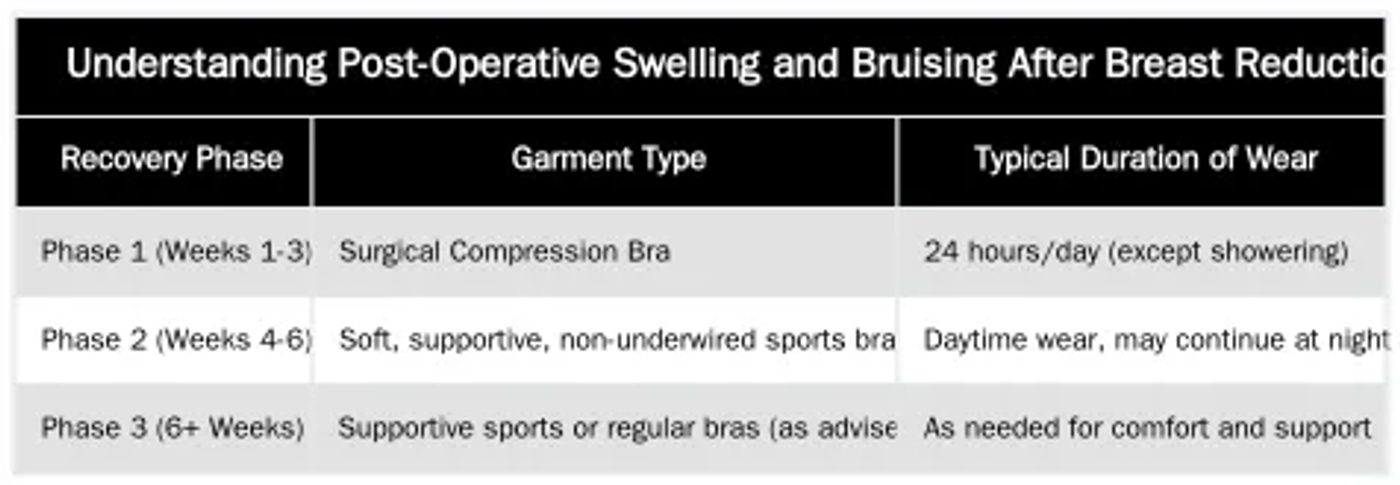
A general timeline for compression garment use post-mammoplasty. Always follow your surgeon's specific protocol.
Pain Management and Activity Guidelines
Effective pain management allows for better rest, which is vital for healing. Take prescribed pain medication as directed to stay ahead of the pain. Over-the-counter options may be recommended as you heal.
Early, light movement like short walks is encouraged to promote circulation and reduce the risk of blood clots. Avoid all strenuous activities, heavy lifting, and exercises that engage the chest muscles for at least 4-6 weeks. Consult your surgeon before using ice packs. If approved, use them cautiously: wrapped in a cloth and applied for 15-20 minute intervals to avoid skin damage or constriction of blood vessels essential for healing.
Nutritional and Supplemental Support for Recovery
Targeted nutritional strategies can influence the body's inflammatory response and healing capacity. An anti-inflammatory diet and surgeon-approved supplements can help manage swelling and bruising.
Anti-Inflammatory Diet: Foods That Heal
A diet of whole, nutrient-dense foods can help modulate inflammation. Focus on foods high in antioxidants, vitamins, and healthy fats, including leafy green vegetables (spinach, kale), colourful fruits (berries, oranges), and fatty fish rich in omega-3s (salmon, mackerel). Limit or avoid processed foods, refined sugars, and high-sodium items, as they can promote inflammation and fluid retention.
Hydration is also critical. Drinking plenty of water helps flush out toxins and excess fluids, supporting the lymphatic system. Research from the National Center for Biotechnology Information highlights the link between diet and inflammatory markers. Learn more in their article on the role of diet in managing inflammation.
Supplements: Arnica, Bromelain, and Beyond
Certain supplements may reduce bruising and swelling. Arnica montana, a homeopathic remedy, is used to alleviate bruising and muscle soreness. Bromelain, an enzyme in pineapple, has been studied for its anti-inflammatory properties. The National Center for Complementary and Integrative Health provides an overview of research on bromelain and its uses.
Other vital nutrients for healing include Vitamin C for collagen synthesis and Zinc for wound repair and immune function. Discuss all supplements with Mr. Vijayan before your procedure, as some can interfere with anaesthesia or blood clotting and must be discontinued before surgery.
Common Swelling and Bruising Concerns
Patients often have questions about swelling during recovery. Mr. Roshan Vijayan clarifies these concerns to help patients distinguish between normal healing and potential complications. A detailed week-by-week recovery timeline can also help set expectations.
Hard Swelling and Asymmetrical Edema
Patients may notice one breast is more swollen or that some areas feel firm. Asymmetrical swelling is common and usually not a cause for alarm. It can result from differences in tissue removed, individual healing responses, or sleeping position.
Hard swelling can also be a normal part of healing, caused by a localized fluid collection (seroma) or early scar tissue formation. These areas usually soften over time. Gentle lymphatic drainage massage may be beneficial, but only if recommended and demonstrated by your surgical team. Report any persistent, painful, or expanding hard areas to your surgeon promptly.
When to Contact Your Surgeon: Red Flags
While most swelling and bruising are normal, certain signs require immediate medical attention. Following post-operative instructions helps prevent complications. The NHS provides an overview of what to expect from breast reduction surgery and its recovery.
Contact your surgical team immediately if you experience:
- A sudden, significant increase in swelling in one or both breasts.
- Pain that is severe, uncontrolled by medication, or rapidly worsening.
- Spreading redness, warmth, or tenderness, which could indicate an infection.
- A fever (a temperature of 38°C or higher).
- Unusual discharge or foul odour from the incision sites.
- Shortness of breath or chest pain.
Long-Term Recovery
A successful outcome depends on initial healing and long-term healthy habits. These lifestyle choices support the final stages of tissue settling and scar maturation.
Hydration, Sleep, and Stress Management
Hydration, sleep, and low stress levels are critical for recovery. Water is essential for cellular function and skin elasticity. Aim for consistent fluid intake. Quality sleep is when the body performs most of its repair work; a comfortable sleeping position is key, as detailed in our guide on sleeping after breast reduction. High stress can elevate cortisol, a hormone that can impair healing. Relaxation techniques like deep breathing or meditation can be beneficial.
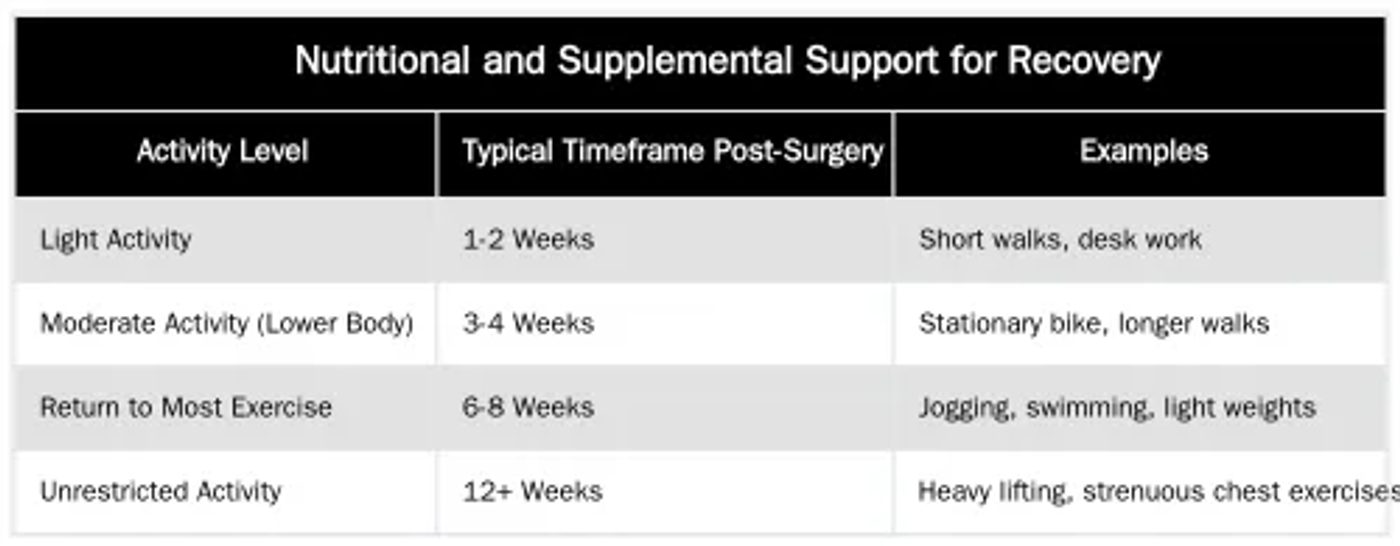
This is a general guide. Always get clearance from your surgeon before resuming any exercise regimen.
Gradual Return to Activity and Follow-Up Care
Reintroduce exercise gradually. Starting too much, too soon can increase swelling and risk injury. Begin with light lower-body exercises and slowly incorporate upper-body movements as cleared by your surgeon. Attending all scheduled follow-up appointments is crucial. These visits allow Mr. Vijayan to monitor your progress, assess healing, and provide personalized guidance for an optimal result.
Partnering with Mr. Roshan Vijayan for a Smooth Recovery
Breast reduction recovery requires expert guidance and personalized care. Mr. Roshan Vijayan combines safe surgical techniques with comprehensive aftercare. From consultation to final follow-up, the focus is on your safety, comfort, and satisfaction. This approach provides the knowledge and support needed for a successful healing process.
For care in Hertfordshire and London, contact us to learn more. Request a Callback to schedule your consultation.
Conclusion
Managing swelling and bruising after mammoplasty combines adherence to medical advice with proactive lifestyle choices. Using compression therapy, an anti-inflammatory diet, and understanding the healing process can enhance comfort and support an optimal outcome. Clear communication with your surgical team is paramount.
To discuss your personal goals with a board-certified consultant plastic surgeon, Request a Callback or explore our services at vijayan.co.uk.
Frequently Asked Questions
When does swelling after breast reduction typically peak?
Swelling and bruising are a normal part of the healing process following your procedure. This post-operative swelling after breast reduction typically peaks around 48 to 72 hours after your surgery and then begins to gradually subside over the following weeks as your body heals.
What is the most effective way to manage swelling after breast reduction?
The most effective method is the consistent use of your prescribed compression garment or surgical bra. This provides constant, gentle pressure that helps minimise fluid buildup, supports healing tissues, and improves comfort. Following Mr. Vijayan's specific instructions is crucial for managing swelling after breast reduction.
What lifestyle changes can help with post-operative swelling?
Adopting a low-sodium diet is highly recommended, as excess salt can cause fluid retention and worsen puffiness. Staying well-hydrated with water and consuming anti-inflammatory foods like berries, leafy greens, and lean proteins will support your body’s natural healing process. Gentle, approved movement like short walks can also aid circulation.
Is it normal for swelling to be uneven between breasts?
Yes, it is very common to experience asymmetrical swelling, as each breast may heal at a slightly different rate. This is a normal part of the recovery process. However, you should contact us immediately if you notice a sudden, significant increase in swelling in one breast, especially if it is accompanied by severe pain or redness.
Should I use ice packs for swelling after breast reduction?
You should only use cold compresses or ice packs if specifically advised by Mr. Vijayan. Applying cold packs directly to the breast tissue can sometimes restrict the blood flow that is critical for proper healing. Always follow the personalised aftercare instructions provided to you to ensure a safe recovery.
How can I get personalised advice on managing my recovery?
The best outcomes are achieved through a partnership between surgeon and patient, which includes detailed aftercare. For personalised guidance tailored to your specific needs and to discuss your recovery, please request a callback to schedule a consultation with Mr. Vijayan.