

Breast Lift (Mastopexy)
A breast lift raises and reshapes breasts that have dropped or lost definition after pregnancy, breastfeeding, weight change or ageing. Also known as mastopexy, breast lift surgery removes loose skin, reorganises the breast tissue and repositions the nipple to create a firmer, better-supported shape.
- Sagging, stretched skin lifted and reshaped
- Breast tissue repositioned higher on the chest wall
- Nipple and areola repositioned to a natural, symmetrical position
- Consultant-led care, with two-surgeon safety on complex cases
What our patients say

This content has been medically reviewed by Mr Roshan Vijayan (GMC Number 7020524) MBBS, BSc (Imperial College London), MRCS (Eng), FRCS (Plast), Executive MBA.
The operation is planned around breast size, shape, skin quality and the degree of lift required. Mr Roshan Vijayan also considers symptoms, lifestyle and future plans so that the proposed outcome is practical, proportionate and surgically appropriate.
Real, natural results.
Outcomes from Mr Vijayan’s own patients, balanced, beautifully healed and entirely natural. Drag the handle on each case to reveal the journey.
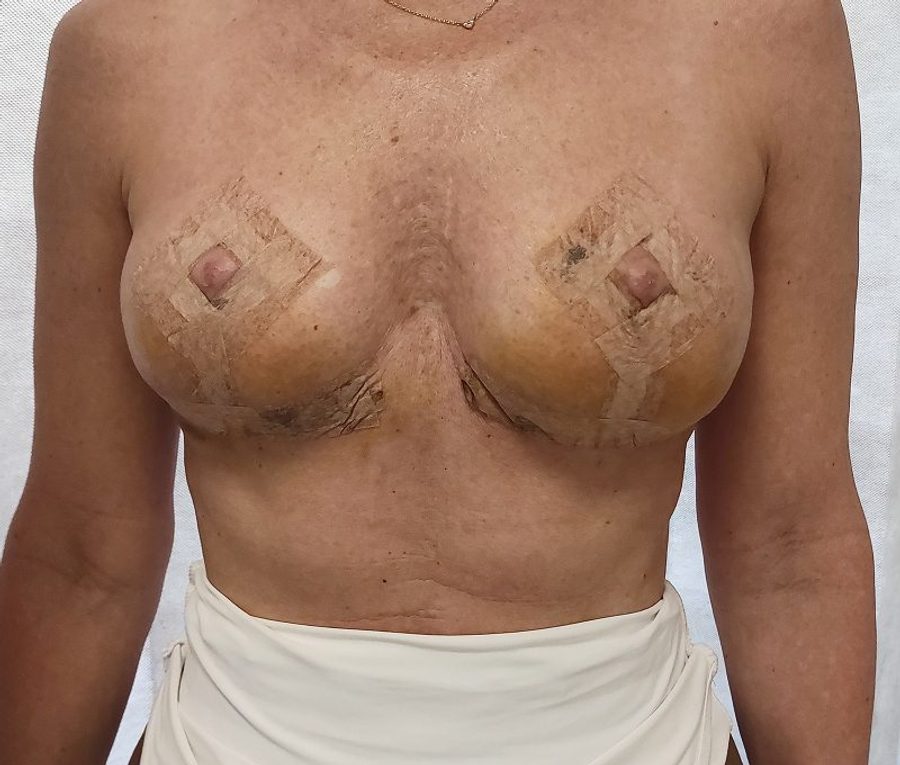
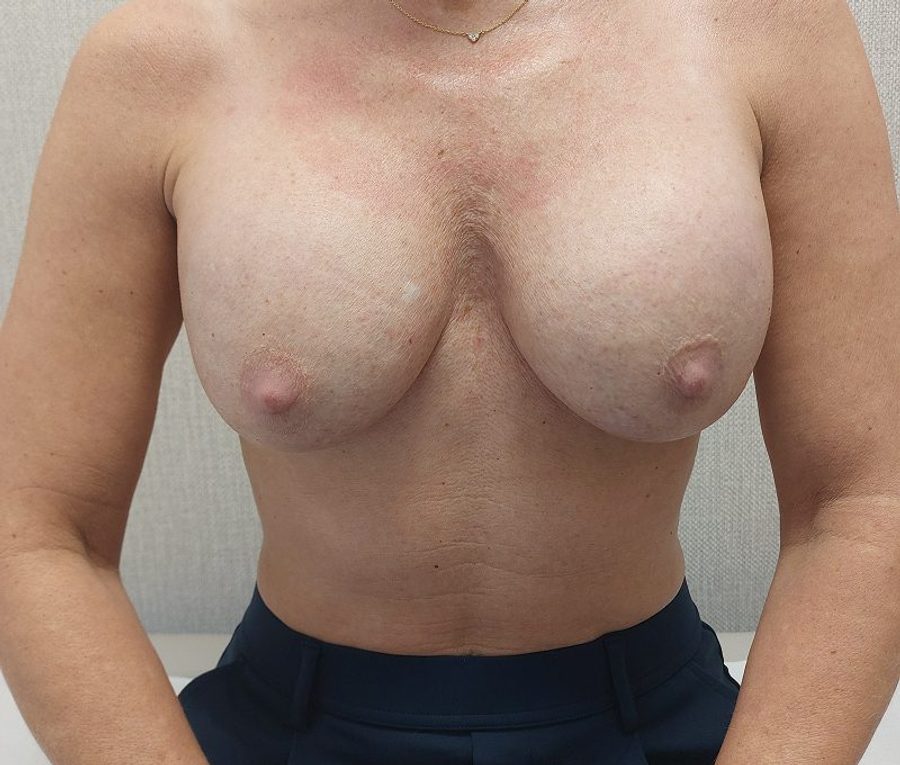 Before1 week after
 Breast Lift
Pregnancy, weight change and ageing can all affect the position and shape of the breasts.
What Is a Breast Lift?
A breast lift is a surgical procedure for breast ptosis, the medical term for breasts that have descended from their previous position. It removes excess skin and reshapes the internal tissue so the breast sits higher on the chest.
Mastopexy does not automatically increase breast volume. Some people have enough existing tissue to achieve the required shape through a lift alone, while others need to consider breast implants or a reduction alongside the procedure. The recommended approach depends on existing breast volume, skin quality, nipple position and the intended result.
Surgeons classify the degree of ptosis using a grading scale based on where the nipple sits relative to the inframammary fold (the crease beneath the breast). Broadly:
- Grade I (mild ptosis): the nipple sits at or just below the inframammary fold
- Grade II (moderate ptosis): the nipple sits below the fold, with some breast tissue below the nipple
- Grade III (severe ptosis): the nipple sits well below the fold, pointing downward
- Pseudoptosis: the nipple remains above the fold, but breast tissue has descended below it
The grade identified at consultation helps determine which incision pattern and technique are most appropriate, since more advanced ptosis generally requires a more extensive lift to reposition the nipple and reshape the breast effectively.
The nipples and areolae can also be repositioned, and stretched areolae can be reduced when appropriate. A mastopexy changes breast position and contour, but it cannot prevent future effects from gravity, pregnancy, weight fluctuation or ageing.
Breast Lift at a glance
A quick snapshot of what to expect. Every plan is individual, so Mr Vijayan confirms your own timings at your consultation.
Surgery time
1.5–3 hours
Time off work
1–2 weeks
Hospital stay
0–1 nights
Showering
After 2 days
Light activity
After 1–2 weeks
Compression garment/bra
4–6 weeks
Exercise
After 4–6 weeks
Driving
After 1–2 weeks
Full recovery
Up to 6 weeks
Final results
2–3 months
What Changes Can Breast Lift Surgery Address?
Breast ptosis develops when the skin and supporting tissues can no longer hold the breast in its previous position. The amount of descent varies, as does the relationship between the nipple and the crease beneath the breast. A breast lift can address:
- Breasts that have dropped or developed a flatter shape
- Nipples that sit low or point downwards
- Loose skin following pregnancy or weight loss
- Loss of breast firmness after breastfeeding
- Stretched or enlarged areolae
- Differences in position between the breasts
- A breast shape that appears deflated despite retaining adequate volume
- Difficulty achieving support or shape within clothing
 Benefits
Key Benefits of a Breast Lift
Mastopexy focuses on repositioning and reshaping the existing tissue. The degree of correction depends on the amount of loose skin, existing breast volume and the surgical pattern required. Breast lift surgery can achieve:
- A higher and firmer breast position
- Improved breast shape and projection
- Repositioned nipples and areolae
- Better balance between the breasts
- Removal of loose and stretched skin
- Improved proportion between the breasts and torso
- The option to combine lifting with reduction or augmentation when appropriate
 Is It Right for You?
A breast assessment considers existing volume, skin elasticity, nipple position and the degree of tissue descent.
Am I a Suitable Candidate for Mastopexy?
A breast lift is suited to people whose breasts have dropped or changed shape but who are broadly comfortable with their existing breast volume. You should be in good general health, at a stable weight and understand the incision pattern and scarring associated with the degree of lift required.
If you want substantially larger breasts, a lift alone may not provide enough additional upper-breast fullness. Conversely, heavy breasts may benefit from reduction as well as lifting. Pregnancy and significant weight changes can compromise the result, making the timing of surgery an important part of your consultation.

What Does Breast Lift Surgery Involve?
Breast lift surgery is performed under general anaesthesia and generally takes two to three hours. The incision pattern depends on the amount of skin being removed and the degree of lift required.
| Incision Pattern | Scar Location | Degree of Lift / Ptosis Indication |
|---|---|---|
| Periareolar (Donut / Benelli) | Concealed around the outer border of the areola | Mild ptosis (Grade 1); suitable for minor nipple elevation or areolar resizing |
| Vertical (Lollipop) | Around the areola and vertically down to the inframammary fold | Moderate ptosis (Grade 2); provides substantial reshaping and vertical elevation with moderate scarring |
| Inverted-T (Anchor) | Around the areola, vertically down, and horizontally along the inframammary crease | Severe ptosis (Grade 3 or pseudoptosis); required for extensive tissue repositioning and skin excess removal |
The pattern recommended depends on your individual degree of ptosis, skin quality and the amount of correction needed.
Mr Vijayan removes excess skin and reshapes the breast tissue to create a firmer internal structure. The nipple and areola are moved into a more balanced position before the incisions are closed, and a supportive surgical bra is fitted.
Your Breast Lift Treatment Journey
The treatment plan must balance the desired breast position with the available tissue, skin quality and incisions required to achieve that change. Each stage is explained before surgery, so you know what the procedure and recovery will involve.
Your Breast Lift Consultation
Your consultation includes an assessment of breast volume, skin elasticity, nipple position, symmetry and the degree of ptosis. Mr Vijayan will discuss whether a lift alone is sufficient or whether reduction or augmentation should be considered, together with the likely scar pattern, limitations and risks. Clinical photographs support planning, and a second consultation allows time to review the proposed approach before proceeding.
The Mastopexy Procedure
The operation is performed under general anaesthesia using the incision pattern agreed with you. Loose skin is removed, breast tissue is reshaped and supported, and the nipple and areola are repositioned while preserving their connection to the underlying tissue wherever possible. Dressings and a supportive bra help protect the breasts during the early healing process.
Breast Lift Recovery and Aftercare
Bruising, swelling, tenderness and a feeling of tightness are expected initially. Many people resume desk-based work and light activities after one to two weeks, while heavy lifting and strenuous exercise should be avoided for approximately four to six weeks. Mr Vijayan monitors the incisions and breast shape through scheduled reviews and remains available if you have concerns between appointments.
Breast Lift Results
The breasts sit higher after surgery, although swelling and early firmness temporarily affect their appearance. Their shape becomes softer and more settled over the following months. Scars are initially more noticeable but generally become flatter and lighter as they mature.
Recovery and Aftercare
The recovery process from a breast lift can take several weeks. Patients are generally advised to avoid strenuous activities for 4 to 6 weeks and wear a supportive garment to aid healing and reduce swelling. Discomfort, swelling and bruising are common in the initial recovery period and will gradually subside.
The first few days
You will be supported in a compression garment. Discomfort, swelling and bruising are normal and are managed with prescribed medication. Keeping the surgical site clean matters from the outset.
Week one to two
Most patients return to light activities after around two weeks. Gentle movement little and often is encouraged, while anything strenuous is avoided.
Weeks three to six
The compression garment continues to support healing and reduce swelling. Strenuous activity and heavy lifting are avoided for four to six weeks.
Six weeks onward
Most normal activity, including exercise, is comfortably resumed. Swelling continues to settle and the breast contour refines.
Three to six months
Full results appear as the body heals and swelling reduces. Scars soften and fade, and follow-up appointments continue for as long as you need them.
Possible Risks and Complications
All surgery carries risks, and their relevance depends on factors such as general health, smoking, breast anatomy and the extent of the planned lift. Mr Vijayan will discuss these considerations during your consultation so that you understand the possible complications and how they apply to your procedure. Risks associated with breast lift surgery include:
- Bleeding, infection or fluid collection
- Delayed wound healing or prominent scarring
- Differences in breast shape or nipple position
- Temporary or permanent changes in sensation
- Changes affecting the blood supply to the nipple or skin
- Recurrent drooping or the need for further surgery
Your safety is paramount. Consultant-led aftercare, a day-one call and unlimited follow-up mean any concern is seen and addressed by Mr Vijayan personally.
Why Choose Mr Roshan Vijayan for Breast Lift Surgery?
Breast lift surgery requires careful judgement because breast position, volume, skin quality and scarring must be considered together. Mr Vijayan combines his experience as a Consultant Plastic Surgeon with an individual approach to breast reshaping, prioritising a proportionate outcome that works with the existing anatomy. His care is based on:
Detailed assessment of breast shape, volume and skin quality
A bespoke decision about whether lifting alone is sufficient
Open discussion of scars, limitations and future changes
Established surgical techniques selected for the required correction
A second consultation before treatment
Consultant-led follow-up and direct postoperative support


Meet Mr Roshan Vijayan
Mr Roshan Vijayan is a GMC-registered Consultant Plastic Surgeon and Fellow of the Royal College of Surgeons. He trained extensively in plastic, reconstructive and aesthetic surgery across major UK teaching hospitals and continues to contribute to surgical education, academic work and the training of other doctors.
With breast lift surgery, his focus is on creating a balanced shape that works with the patient’s existing tissue and overall proportions. Each procedure is planned individually, with clear discussion of the available techniques, scars, limitations and achievable results.
How Much Does a Breast Lift Cost?
The cost of a breast lift depends on the complexity of the mastopexy and whether it is performed alone or combined with another breast procedure. Once Mr Vijayan has assessed your anatomy and recommended a surgical plan, you will receive a complete quotation covering the relevant surgical, hospital and anaesthetic costs.
Every breast lift is planned individually, so the final price depends on the technique and the complexity of your case. Once Mr Vijayan has assessed you and agreed a surgical plan, you will receive a complete written quotation covering the relevant surgical, hospital and anaesthetic costs.
Your exact, all-inclusive quote is confirmed in writing after your consultation, with no hidden costs.
Your fee includes
- Your consultation with Mr Vijayan
- A second consultation, included
- Surgeon’s and anaesthetist’s fees
- Hospital and theatre fees
- All follow-up and aftercare
- A personal day-one call
Frequently asked questions
Will a breast lift leave scars?
Yes, every surgical breast lift leaves scars. Their position and extent depend on the amount of lifting required, but they are planned around the areola and lower breast so they can be concealed beneath most bras and clothing.
What is the difference between a breast lift and implants?
A breast lift removes loose skin and raises the existing breast tissue, whereas implants increase breast volume. Implants alone do not reliably correct significant drooping, and a lift does not create the same volume increase as augmentation.
Can a breast lift be combined with implants?
Yes, implants can be added when greater breast volume or upper-breast fullness is required alongside lifting. The implant size, existing breast tissue and degree of lift must be considered together to create a balanced and appropriately supported result.
Can mastopexy be combined with breast reduction?
Yes, heavy or disproportionately large breasts can be reduced and lifted during the same operation. The difference is that a breast reduction removes more breast volume, while a standalone mastopexy primarily changes shape and position.
Can a non-surgical treatment lift sagging breasts?
Non-surgical treatments cannot remove substantial loose skin or reposition descended breast tissue in the same way as mastopexy. They can address different concerns in selected cases, but they do not provide an equivalent structural breast lift.
Does a breast lift change cup size?
A lift can make the breasts appear smaller or more compact because the tissue is repositioned and excess skin is removed. It does not produce a predictable cup-size change, and bra sizing varies considerably between manufacturers.
Can I breastfeed after a breast lift?
Breastfeeding may still be possible after a breast lift, but surgery can affect milk production in some patients. If you are planning a future pregnancy or would like to breastfeed, this should be discussed during consultation so it can be considered within the surgical plan.
Will nipple sensation change?
Numbness, tingling or increased sensitivity can occur while the nerves recover. Sensation often improves over time, but a permanent change or loss of sensation remains possible.
How long do breast lift results last?
A breast lift provides a long-lasting change, but it cannot stop the breasts from ageing. Skin quality, breast weight, pregnancy and weight fluctuation all influence how the shape changes in later years.
Should I wait until after pregnancy to have a breast lift?
Breast lift surgery does not prevent a future pregnancy, but pregnancy and breastfeeding can stretch the skin and alter breast volume again. Waiting until your family is complete can help preserve the result for longer.

Book Your Breast Lift Consultation
If pregnancy, weight change or ageing has altered the position or shape of your breasts, a consultation can clarify whether mastopexy is the appropriate procedure. Mr Vijayan will assess your existing breast tissue and skin quality, discuss what a lift can achieve and explain whether a breast lift alone or a combined procedure should be considered. Contact us today to arrange your consultation.
Request a Consultation