

Aesthetic Repair and Reconstruction After Skin Cancer Removal
Aesthetic Repair and Reconstruction After Skin Cancer Removal focuses on restoring the appearance and function of areas affected by skin cancer excision.
- Appearance and function restored together
- From simple skin grafts to complex flap techniques
- Reconstructive precision on the face and body
- Consultant-led care throughout
What our patients say

Restoring Appearance and Function
Removing a skin cancer safely comes first; what it leaves behind is a separate problem, and one worth solving properly.
Below you will find a guide to the procedure, its benefits, candidacy, the recovery process, and why Mr Roshan Vijayan is an excellent choice for your reconstructive needs.
Real, natural results.
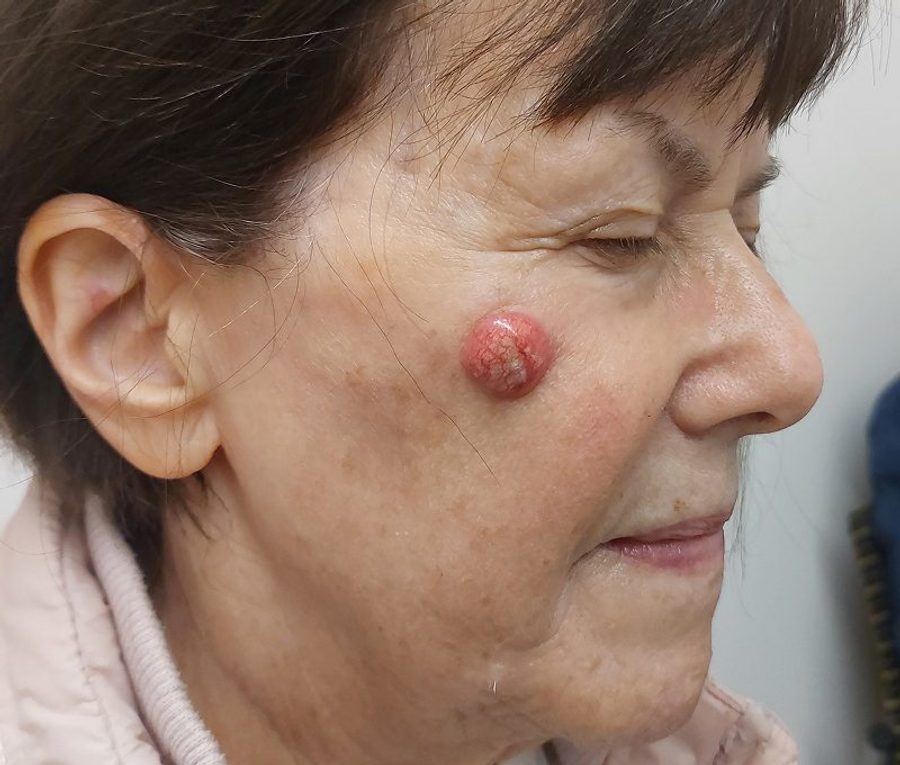
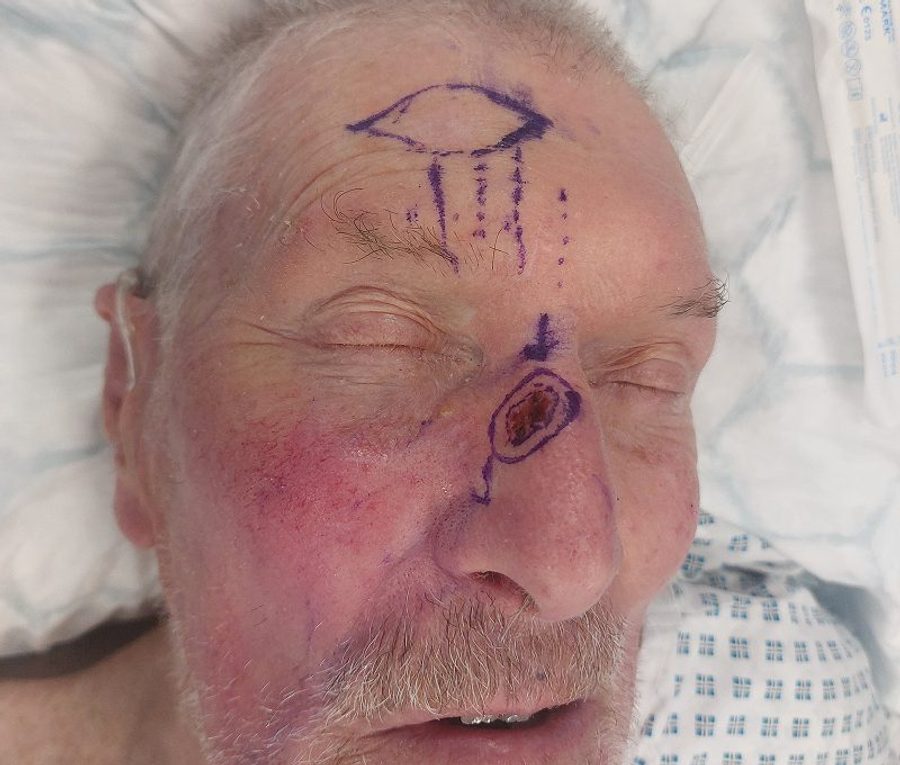
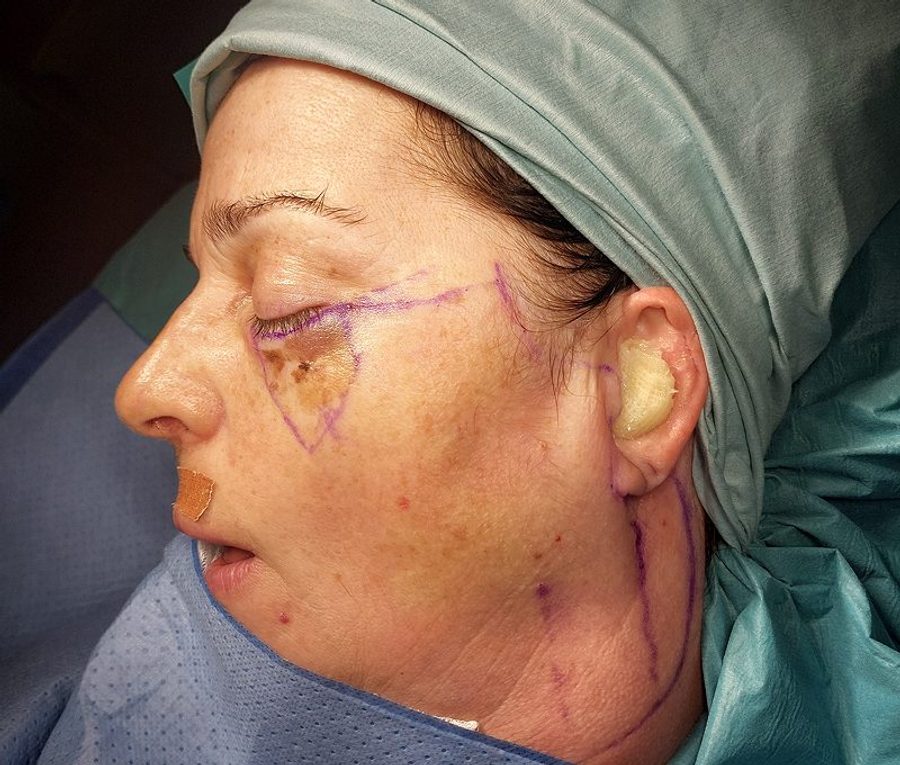
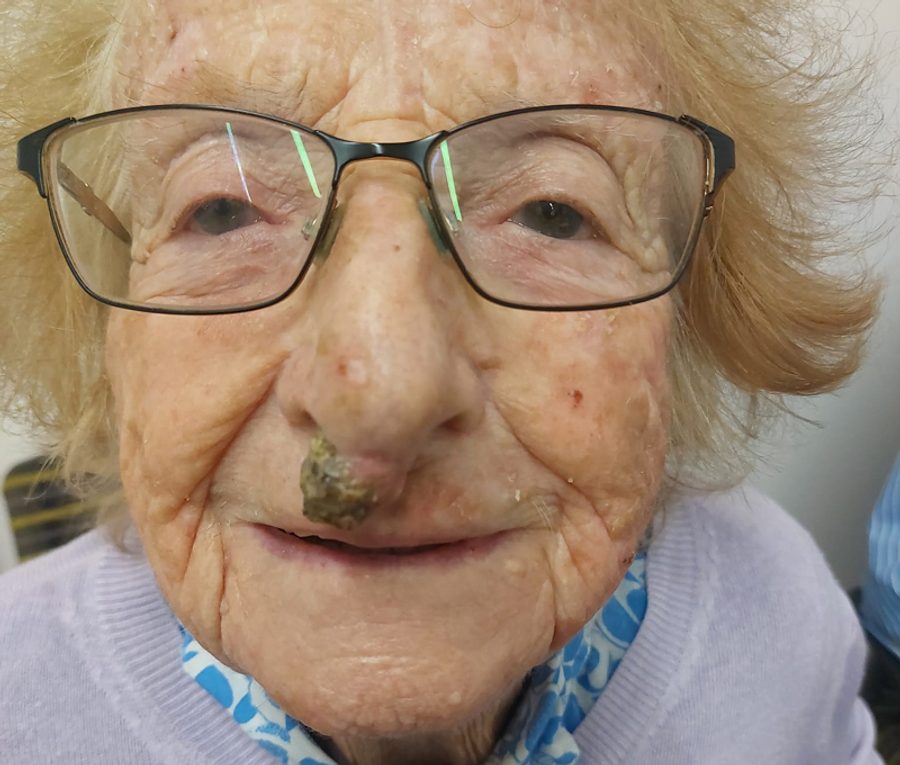
Outcomes from Mr Vijayan’s own patients, balanced, beautifully healed and entirely natural. Drag the handle on each case to reveal the journey.
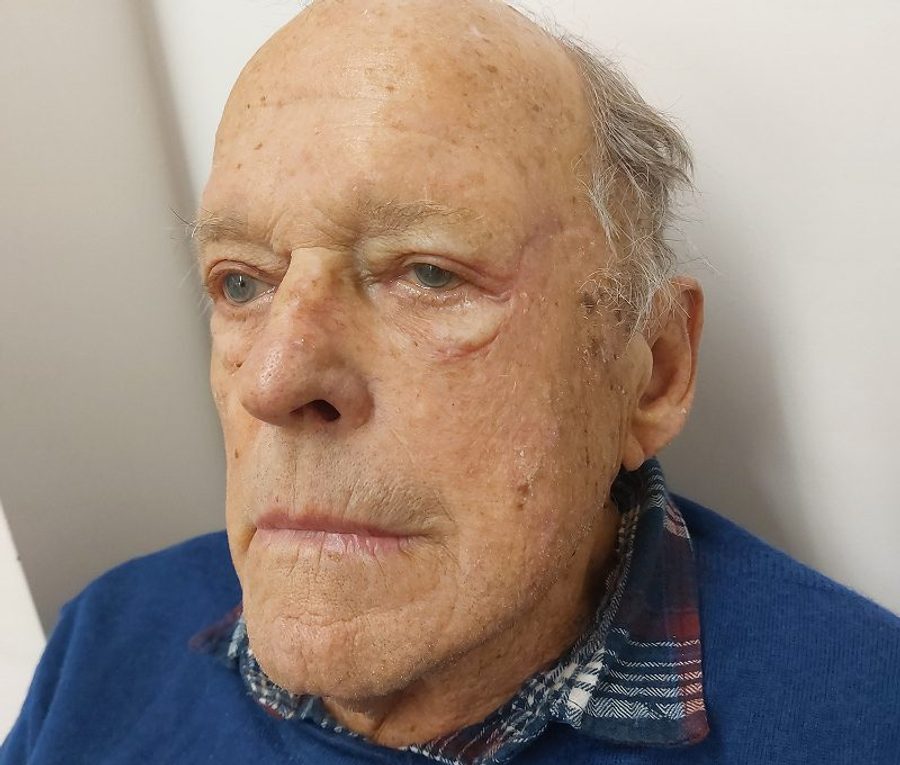
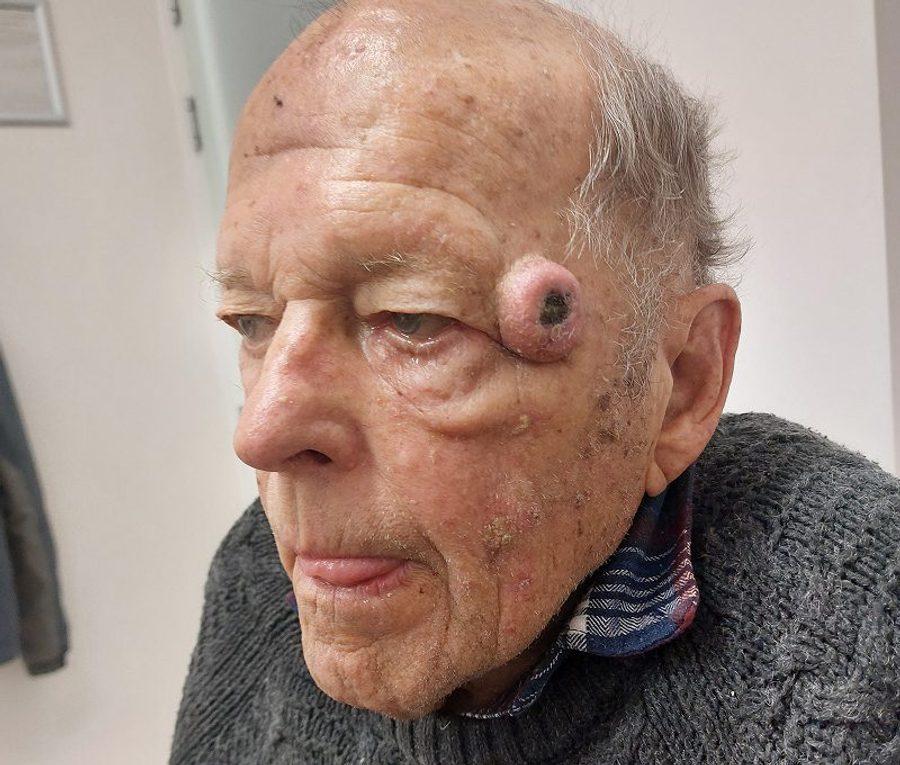 BeforeAfter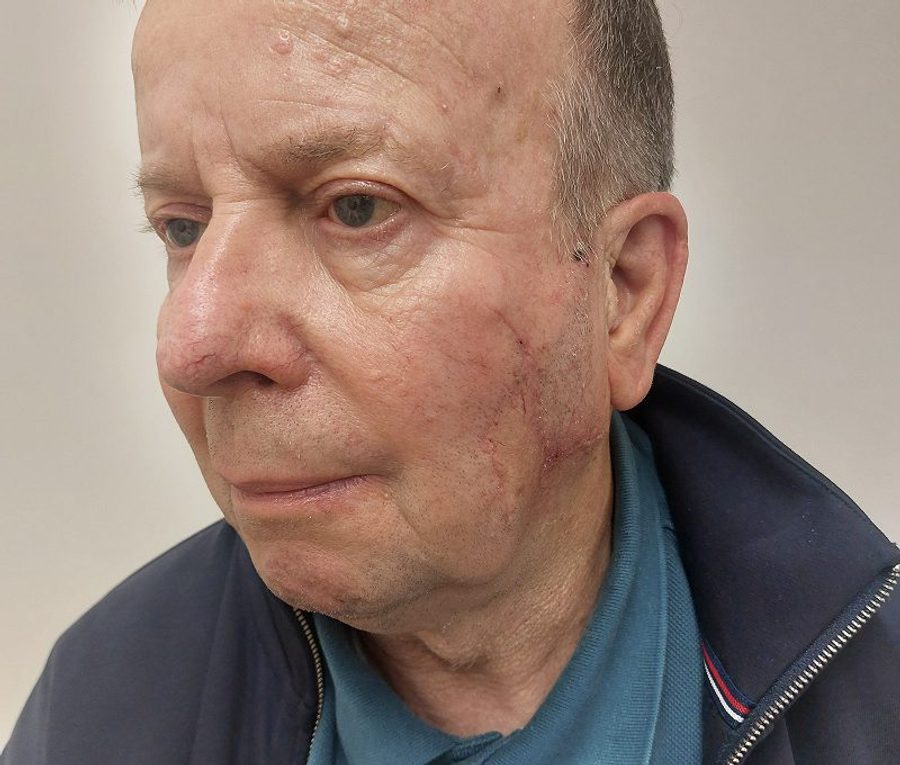
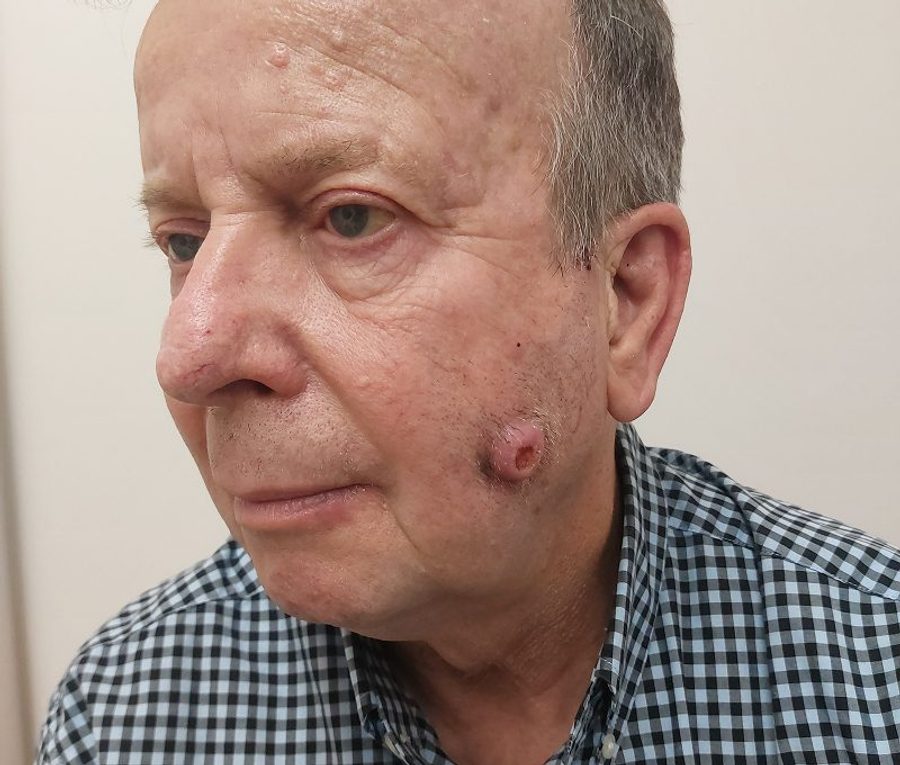 BeforeAfter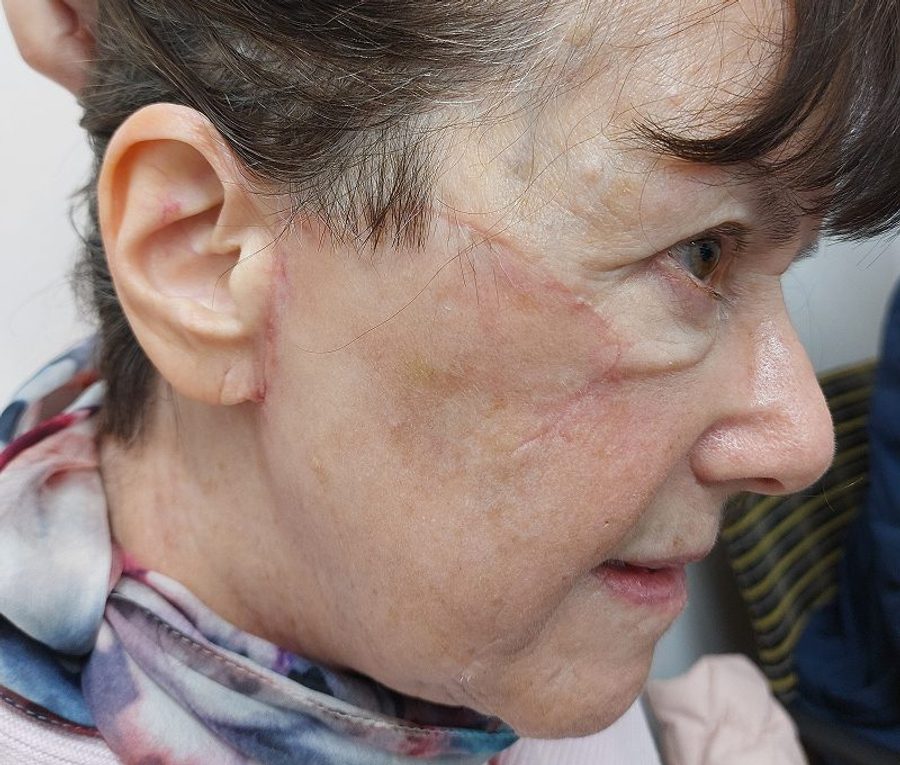
 BeforeAfter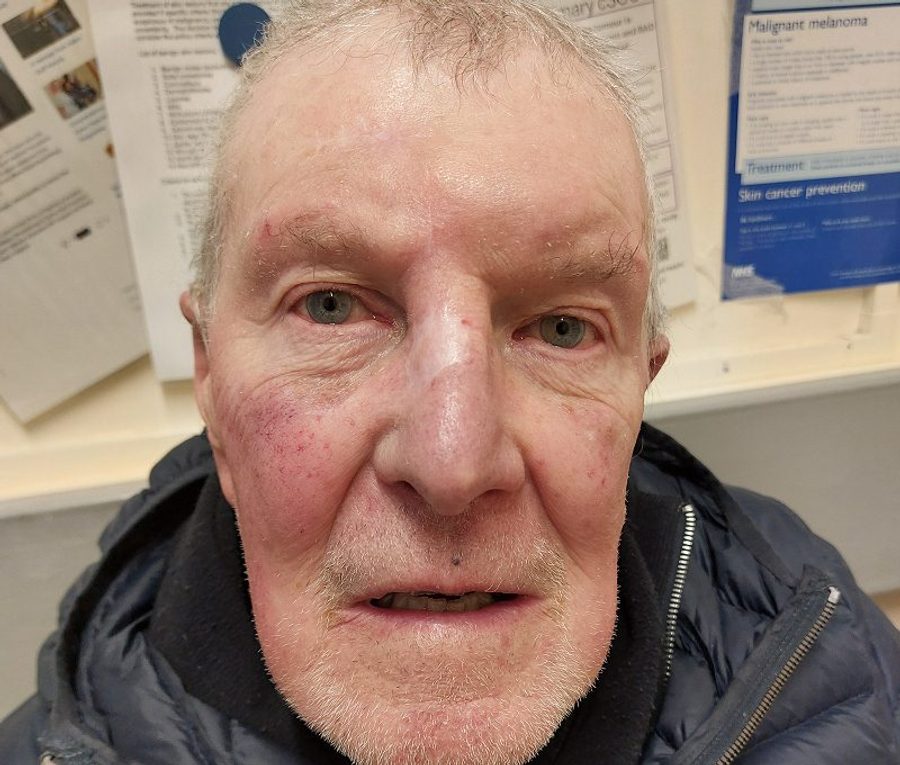
 BeforeAfter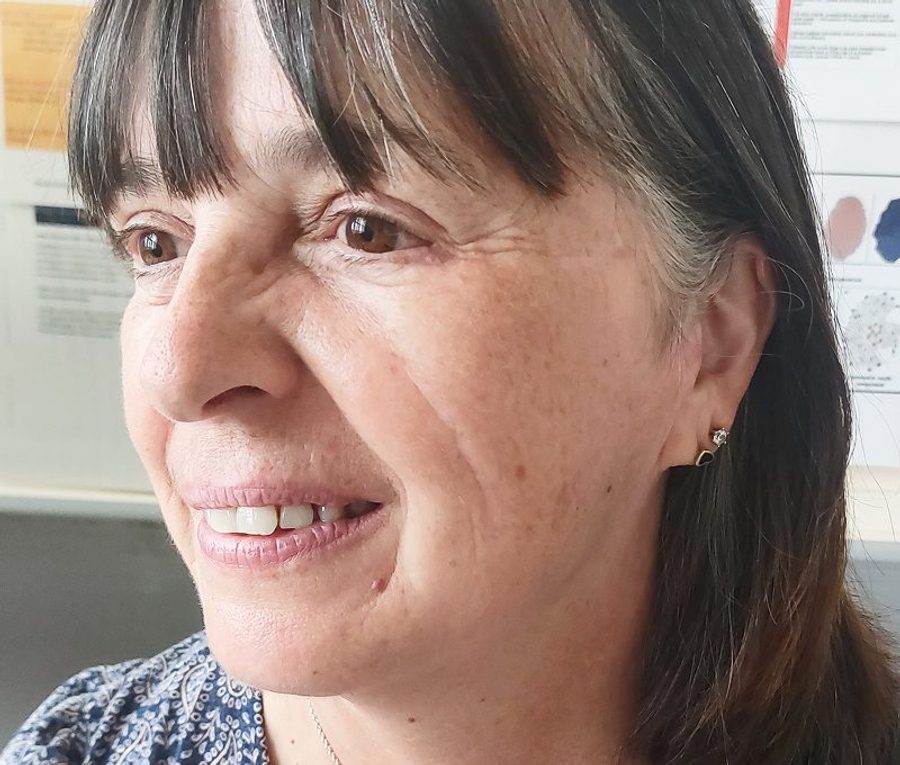
 DuringAfter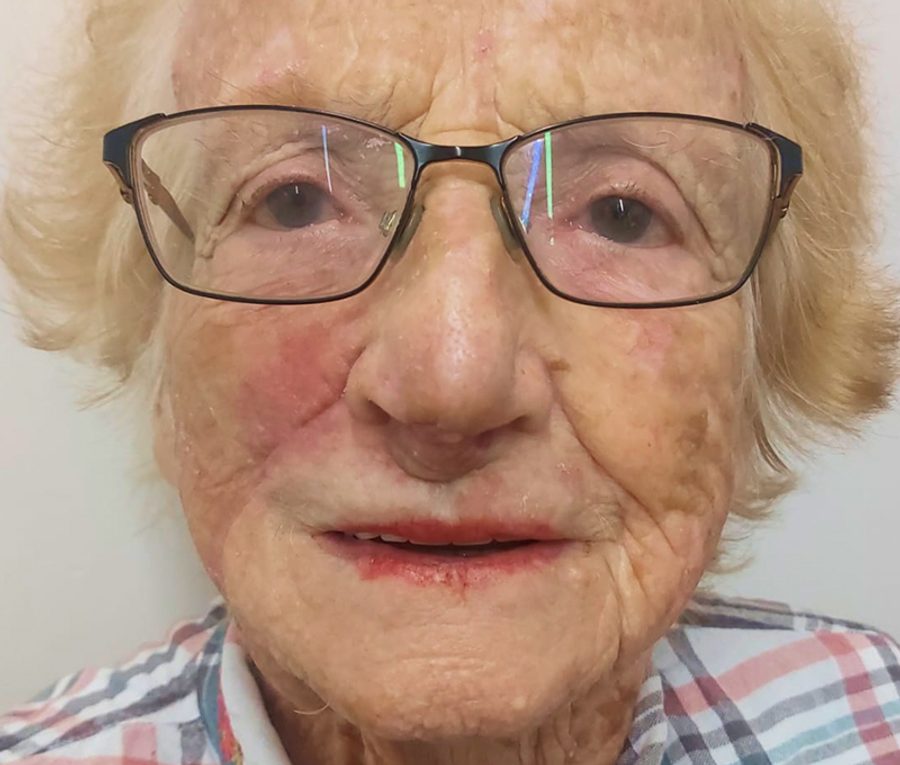
 BeforeAfter
 Aesthetic Repair and Reconstruction After Skin Cancer Removal
What is Aesthetic Repair and Reconstruction?
Aesthetic Repair and Reconstruction after skin cancer removal involves various surgical techniques to restore both functionality and appearance to areas affected by skin cancer excision. Procedures can range from simple skin grafts to more complex flap techniques, depending on the location, size, and depth of the excised area.
The primary goal is to repair the defect left by the cancer removal while maintaining or improving aesthetic appearance and functional integrity.
Aesthetic Repair and Reconstruction After Skin Cancer Removal at a glance
A quick snapshot of what to expect. Every plan is individual, so Mr Vijayan confirms your own timings at your consultation.
Surgery time
1–4 hours
Anaesthetic
Local or general
Hospital stay
Day case or 1 night
Time off work
1–2 weeks
Wound care
As directed
Normal activities
Within 1–2 weeks
Strenuous activity
Longer, depending on extent
Follow-up
Scheduled reviews
Swelling and bruising
Subsides over time
Results
Generally long-lasting
What Can Reconstruction Address?
Skin cancer excision is guided by clear margins rather than appearance, so the defect it leaves rarely sits where it would be least noticeable. Reconstruction can address:
- A defect left after skin cancer excision
- Wounds on the nose, ear, lip or eyelid where tissue is scarce
- Distortion of the eyelid, lip or nostril margin
- Loss of function such as eyelid closure or lip movement
- A depression or contour irregularity in the skin
- Scars that healed poorly after an earlier excision
- Skin grafts that differ in colour or texture from their surroundings
- Visible reminders of treatment on the face and hands
 Benefits
Benefits of Aesthetic Repair and Reconstruction
The procedure aims to restore the natural appearance of the skin, minimising visible scars and deformities caused by skin cancer excision. It can achieve:
- Restoration of the natural appearance of the skin
- Minimised visible scarring and deformity
- Restored function, such as facial expression, eyelid closure or lip movement
- Significantly improved self-esteem and emotional well-being
- A holistic approach combining oncological safety with aesthetic rehabilitation
- Long-lasting results with proper skin care
 Is It Right for You?
Who is a Good Candidate?
Good candidates for aesthetic repair and reconstruction are individuals who have undergone skin cancer removal and are left with defects that affect appearance or functionality. Suitable candidates are typically:
- Left with a defect that affects appearance or function
- In good overall health
- Realistic about the outcomes of reconstructive surgery
- Confirmed as having had all cancerous tissue successfully removed
It is essential to ensure that all cancerous tissue has been successfully removed before proceeding with reconstructive surgery.
About the Procedure
The procedure is typically performed under local or general anaesthesia and can take between 1 to 4 hours based on complexity.
The technique is chosen for the site: a direct closure, a skin graft or a local flap that borrows neighbouring tissue so that colour, texture and contour match the surrounding skin as closely as possible.
Recovery Process
Recovery from aesthetic repair and reconstruction varies depending on the complexity of the procedure. Swelling, bruising, and discomfort are common initially and will subside over time.
The first few days
Swelling, bruising and discomfort are expected and settle gradually. Wound care instructions are followed closely.
One to two weeks
Most patients can return to normal activities within one to two weeks, though more extensive reconstructions may require longer.
Beyond two weeks
Strenuous activity is resumed gradually, guided by the extent of the reconstruction.
Follow-up
Attending follow-up appointments ensures optimal healing and lets the result be assessed as it settles.
Risks and Complications
As with any surgical procedure, there are risks. These are rare and can be minimised by following pre- and post-operative care instructions provided by Mr Vijayan and his team. Risks may include:
- Infection
- Bleeding
- Adverse reactions to anaesthesia
- Issues with wound healing
- Visible scarring or contour irregularity
- Partial loss of a graft or flap
Your safety is paramount. Consultant-led aftercare, a day-one call and unlimited follow-up mean any concern is seen and addressed by Mr Vijayan personally.
Why Choose Mr Roshan Vijayan?
Mr Roshan Vijayan is a highly skilled Consultant Plastic Surgeon with extensive experience in aesthetic repair and reconstruction after skin cancer removal. His personalised approach ensures that each patient receives a treatment plan tailored to their unique needs and goals. His care is based on:
Extensive experience in reconstruction after skin cancer removal
A treatment plan tailored to the site and to you
Meticulous surgical technique and compassionate care
Attention to function as well as appearance
A second consultation before treatment, included as standard
Consultant-led follow-up and direct postoperative support


Meet Mr Roshan Vijayan
Mr Roshan Vijayan is a GMC-registered Consultant Plastic Surgeon and Fellow of the Royal College of Surgeons. He trained extensively in plastic, reconstructive and aesthetic surgery across major UK teaching hospitals and continues to contribute to surgical education, academic work and the training of other doctors.
Reconstruction after skin cancer is where plastic surgery began, and it remains the discipline that underpins everything else he does. The aim is a repair that draws no attention to itself, on skin that has already been through enough.
How Much Does Reconstruction Cost?
The cost depends on the size and site of the defect and the technique required to repair it, from a direct closure to a graft or local flap.
Every procedure is planned individually. Once Mr Vijayan has assessed you and agreed a treatment plan, you will receive a complete written quotation covering the relevant surgical, hospital and anaesthetic costs.
Your exact, all-inclusive quote is confirmed in writing after your consultation, with no hidden costs.
Your fee includes
- Your consultation with Mr Vijayan
- A second consultation, included
- Surgeon’s and anaesthetist’s fees
- Hospital and theatre fees
- All follow-up and aftercare
- A personal day-one call
Frequently Asked Questions
Is Aesthetic Repair and Reconstruction after skin cancer removal painful?
The procedure is performed under local or general anaesthesia, so you will not feel pain during the surgery. Post-operative discomfort is normal and can be managed with prescribed pain medications. Most discomfort subsides within a few days to a week.
How long does the procedure take?
The duration of the procedure can vary between 1 to 4 hours, depending on the complexity and extent of the reconstruction required.
Will there be visible scars?
While efforts are made to minimise scarring, some scars may be inevitable. Mr Vijayan employs advanced techniques to ensure scars are as inconspicuous as possible. Over time, scars typically fade and become less noticeable.
Are there any risks or complications?
As with any surgical procedure, there are risks such as infection, bleeding, adverse reactions to anaesthesia, and issues with wound healing. These risks are rare and can be minimised by following pre- and post-operative care instructions provided by Mr Vijayan and his team.
How soon can I resume normal activities?
Most patients can return to normal activities within 1 to 2 weeks, but it is important to avoid strenuous activities for a longer period, depending on the extent of the reconstruction. Specific guidelines will be provided during post-operative care.
How long do the results last?
The results of aesthetic repair and reconstruction are generally long-lasting. Maintaining a healthy lifestyle and proper skin care can enhance the longevity of the results.

Book Your Reconstruction Consultation
If skin cancer treatment has left a defect that affects how you look or how something works, reconstruction can often do more than you expect. Contact us today to arrange your consultation with Mr Vijayan.
Request a Consultation