

Breast Reduction Surgery
Breast reduction surgery removes excess breast tissue, fat and skin to create a smaller, lighter breast shape. For people living with disproportionately large or heavy breasts, the procedure can relieve physical strain while bringing the breasts into better balance with the rest of the body.
- Relief from back, neck and shoulder pain
- A breast size in proportion with your frame
- Easier movement and exercise
- Consultant-led care, with two-surgeon safety on more lengthy cases
What our patients say

This content has been medically reviewed by Mr Roshan Vijayan (GMC Number 7020524) MBBS, BSc (Imperial College London), MRCS (Eng), FRCS (Plast), Executive MBA.
The operation is planned around breast size, shape, skin quality and the degree of reduction required. Mr Roshan Vijayan also considers symptoms, lifestyle and future plans so that the proposed breast size is practical, proportionate and surgically appropriate.
Real, natural results.
Outcomes from Mr Vijayan’s own patients, balanced, beautifully healed and entirely natural. Drag the handle on each case to reveal the journey.
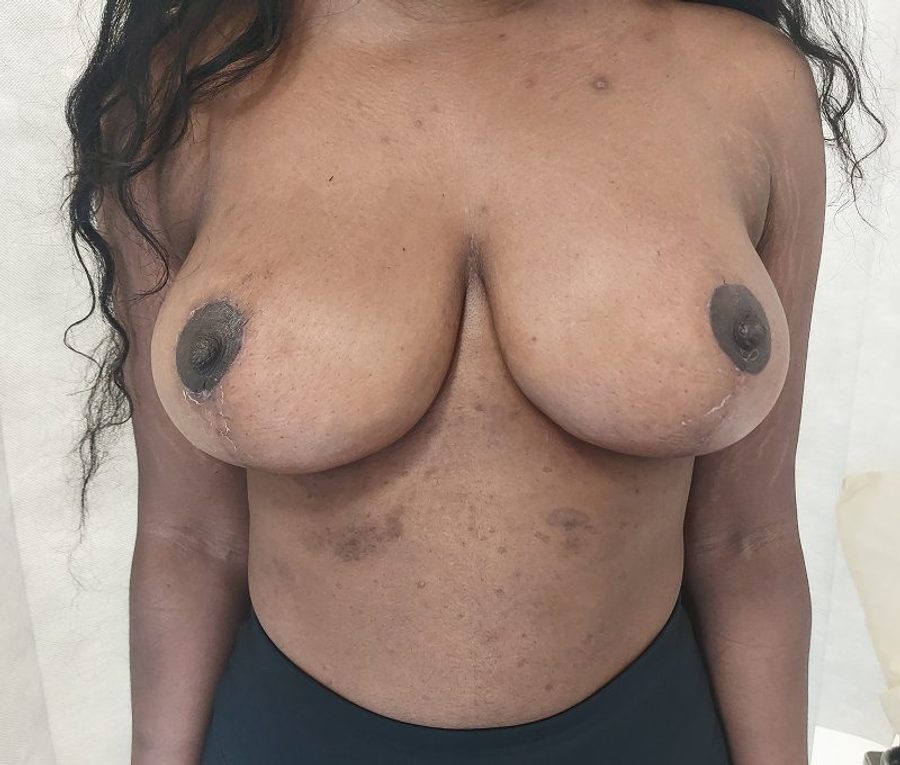
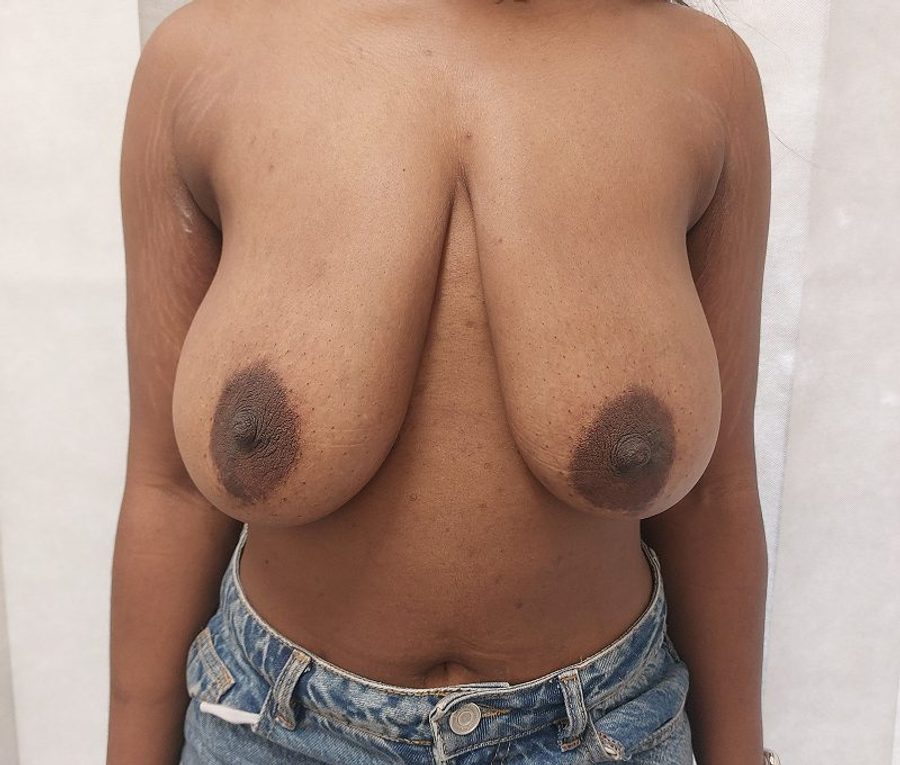 BeforeAfter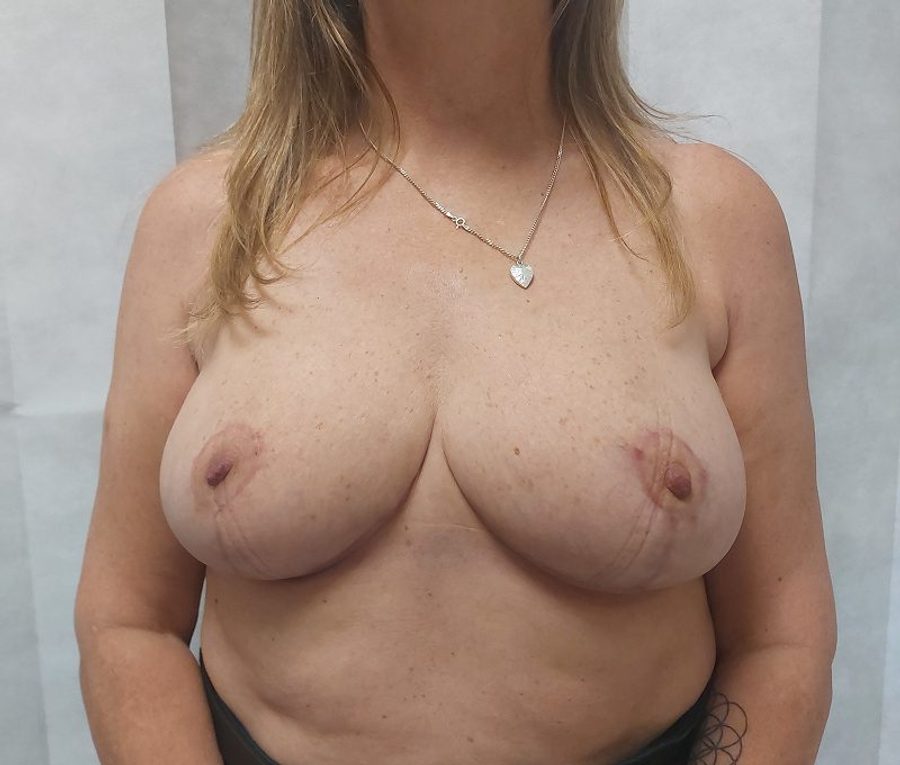
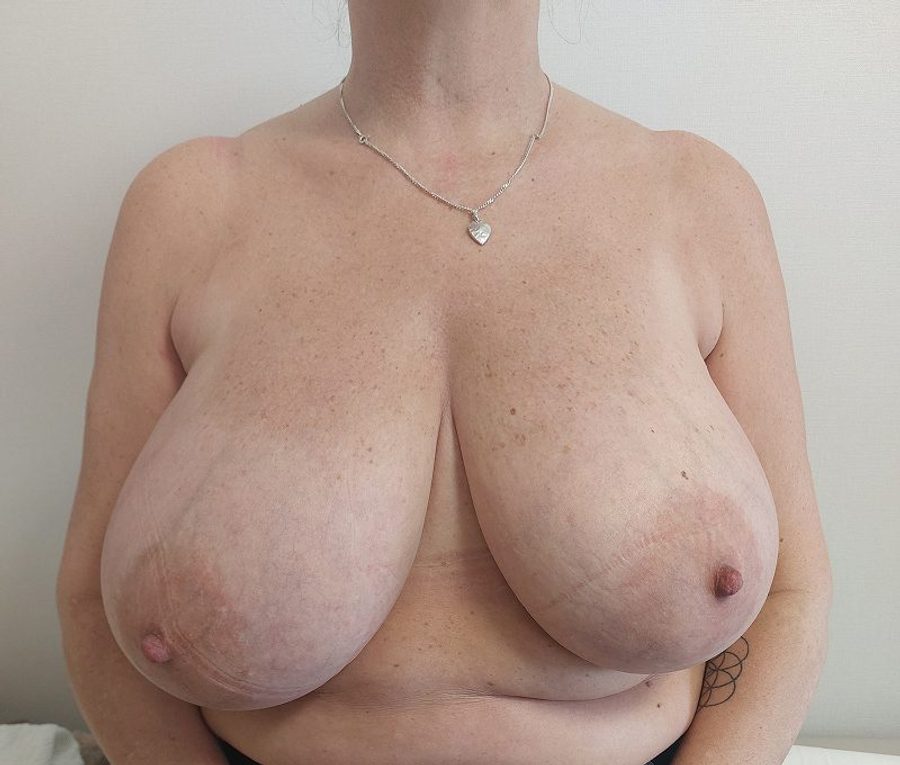 BeforeAfter
 Breast Reduction Surgery
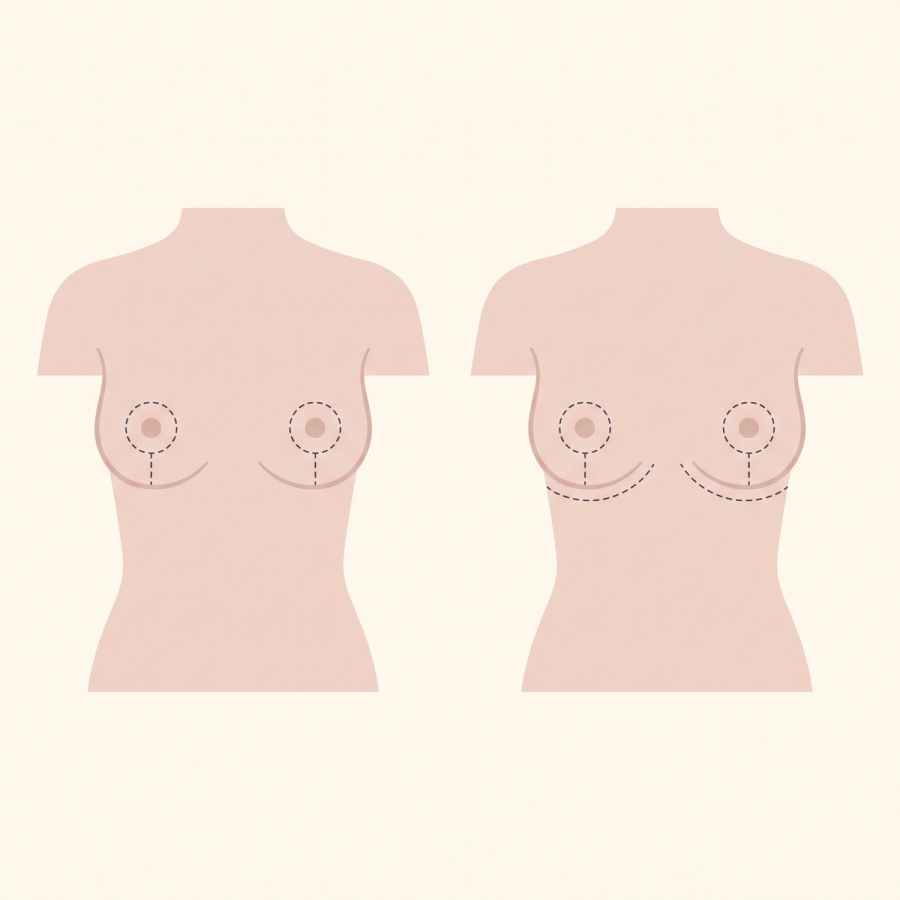
Incisions are placed around the areola and towards the breast crease, with the pattern chosen to suit the reduction required.
What Is Breast Reduction Surgery?
Breast reduction, also known as reduction mammoplasty, reduces the weight and volume of the breasts. Excess tissue and skin are removed before the remaining breast tissue is reshaped and lifted. The nipples and areolae are then repositioned to suit the new breast shape.
Incisions are commonly made around the areola and vertically towards the breast crease, with an additional incision along the crease when a larger reduction is required. The technique selected depends on the starting anatomy, the amount of tissue being removed and the quality of the skin. The NHS guide to female breast reduction sets out what the operation involves and what to consider before going ahead.
Breast Reduction Surgery at a glance
A quick snapshot of what to expect. Every plan is individual, so Mr Vijayan confirms your own timings at your consultation.
Surgery time
2–4 hours
Time off work
1–2 weeks
Hospital stay
Day case or 1 night
Showering
After 2 days
Light activity
After 1–2 weeks
Supportive bra
4–6 weeks
Exercise
After 4–6 weeks
Driving
After 2 weeks
Full recovery
4–6 weeks
Final results
3–6 months
What Can Breast Reduction Surgery Address?
Large breasts can affect far more than body proportions. Their weight can contribute to persistent discomfort and postural strain, limit physical activity and make it difficult to find supportive bras or clothing that fits comfortably.
Breast reduction surgery can address:
- Back, neck and shoulder discomfort associated with breast weight
- Grooves and pressure from bra straps
- Irritation, rubbing or inflammation beneath the breasts
- Postural strain associated with heavy breasts
- Difficulty exercising or taking part in certain activities
- A breast size that feels disproportionate to the body
- Uneven breast size or shape
- Low nipple position associated with heavy or drooping breasts
- Difficulty finding comfortable and supportive clothing
 Benefits
Less strain from the weight of the breasts is among the changes most often noticed after surgery.
Key Benefits of Breast Reduction
A breast reduction combines volume reduction with reshaping. It does not simply make the breasts smaller; it also redistributes the remaining tissue and repositions the nipple to create a more balanced breast contour.
Depending on the individual concern, surgery can provide:
- Lighter and more proportionate breasts
- Reduced physical strain caused by breast weight
- Improved mobility during exercise and daily activities
- A lifted and reshaped breast position
- Better symmetry where the breasts differ in size
- Reduced skin irritation beneath the breast crease
- Greater choice and comfort when wearing bras and clothing
 Is It Right for You?
A supportive surgical bra protects the breasts and helps manage swelling during early recovery.
Am I a Suitable Candidate for Breast Reduction Surgery?
You may be suitable for breast reduction if the size or weight of your breasts, a condition known clinically as macromastia, causes physical symptoms, limits your activity or feels significantly out of proportion with your frame. Candidates should be in good general health, understand the scars involved and have realistic expectations about the size and shape that surgery can produce.
Weight stability, smoking, breast health and plans for pregnancy or breastfeeding all need to be considered. Bra cup size is not a reliable basis for surgical planning because sizing varies between manufacturers. Instead, Mr Vijayan will determine a safe and proportionate reduction based on your anatomy, existing breast tissue and the blood supply to the nipple.
Breast reduction planning considers breast volume, skin quality, nipple position and physical symptoms together.
Types of Breast Reduction
Vertical, or "Lollipop", Technique
This technique uses an incision around the areola and vertically down to the breast crease, without a horizontal incision along the crease itself. It is generally suited to moderate reductions where less skin needs to be removed, and it typically results in less visible scarring than more extensive patterns.
Anchor, Inverted-T or Wise Pattern
This technique adds a horizontal incision along the breast crease to the vertical and areolar incisions, forming an anchor-like shape. It provides access for a larger reduction and more extensive reshaping, and is typically used where a greater degree of skin and tissue needs to be removed.

What Does Breast Reduction Surgery Involve?
Breast reduction is carried out under general anaesthesia and generally takes between two and four hours. The agreed incision pattern gives Mr Vijayan access to remove excess breast tissue, fat and skin before reshaping the remaining tissue.
The nipple and areola are moved into a more appropriate position while preserving their blood supply wherever possible. Differences between the breasts can be addressed during the operation, although some natural asymmetry will remain. Dressings and a supportive surgical bra are applied once the incisions have been closed. Most patients stay in hospital for one to two nights following surgery, and surgical drains are commonly used for a short period afterwards to help manage fluid as the area heals.
Your Breast Reduction Treatment Journey
Careful planning is particularly important because the desired reduction must be balanced against breast shape, nipple position, scarring and tissue safety. Your treatment journey provides time to understand each of these considerations before surgery.
Your Breast Reduction Consultation
Mr Vijayan will ask about the physical and practical difficulties caused by your breasts, your medical history and the result you would like to achieve. He will assess breast size, skin quality, symmetry and nipple position, take clinical photographs and explain the likely incision pattern, limitations, recovery and risks. A written summary follows the appointment, and a second consultation gives you another opportunity to review the plan and ask questions.
The Breast Reduction Procedure
Under general anaesthesia, excess breast tissue, fat and skin are removed according to the agreed plan. Mr Vijayan then reshapes the remaining tissue, addresses differences between the breasts where possible and repositions the nipple and areola. Surgical drains are typically fitted to manage fluid in the initial days after surgery. The incisions are closed carefully before dressings, and a supportive bra is fitted. Most patients remain in hospital for one to two nights before discharge.
Breast Reduction Recovery and Aftercare
Swelling, bruising, tightness and postoperative discomfort are expected initially. Many people return to desk-based work and light daily activities within one to two weeks, while heavy lifting, strenuous exercise and high-impact activity should be avoided for approximately four to six weeks. This is a somewhat faster return to desk-based work than the two to three weeks generally cited by NHS guidance; individual recovery varies, and Mr Vijayan will advise on a realistic timeline for your specific procedure. You will receive wound-care and garment guidance, together with personally conducted follow-up appointments to monitor healing.
Breast Reduction Results
The reduction in breast weight is apparent after surgery, but swelling and firmness temporarily affect the breast shape. The tissues gradually settle over the following months, and scars soften and fade as they mature. Surgery provides a long-lasting reduction, although pregnancy, weight changes and ageing can alter the breasts later.
Recovery Process
Recovery from breast reduction surgery typically involves a few weeks of downtime. Swelling and bruising are common initially but will gradually subside, and wearing a supportive surgical bra as recommended can aid the healing process.
The first few days
You will be supported in a surgical bra. Discomfort is managed with prescribed pain relief, and swelling and bruising are expected.
Week one to two
Most patients return to work within one to two weeks, avoiding anything strenuous.
Weeks three to six
Heavy lifting, strenuous exercise and high-impact activity are avoided for at least four to six weeks.
Three to six months
Swelling settles and the final shape becomes clear. Scars soften and fade, and follow-up appointments continue as needed.
Possible Risks and Complications of Breast Reduction Surgery
Breast reduction is an established procedure, but all surgery carries risks. Mr Vijayan will talk you through the possible complications during consultation, explain how they relate to your health and proposed reduction and answer any questions before you make a decision.
Risks associated with breast reduction include:
- Bleeding, infection or fluid collection (seroma)
- Bleeding within the breast tissue (haematoma)
- Delayed wound healing or prominent scarring
- Differences in breast shape or nipple position
- Temporary or permanent changes in nipple sensation
- Changes affecting the blood supply to the nipple or skin
- Blood clots or complications associated with anaesthesia
Your safety is paramount. Consultant-led aftercare, a day-one call and unlimited follow-up mean any concern is seen and addressed by Mr Vijayan personally.
Why Choose Mr Roshan Vijayan for Breast Reduction?
Mr Vijayan has a particular interest in body contouring and breast surgery for people whose physical comfort and body confidence have been affected by pregnancy, weight change or disproportionate tissue. His planning considers relief from symptoms alongside breast shape, proportion and the practical requirements of recovery.
His care includes:
Consultant-led assessment and surgical planning
Clear advice about achievable breast size, shape and symmetry
Honest discussion of scars, sensation, breastfeeding and other limitations
Time to consider the plan through a second consultation
Established surgical techniques selected for the individual anatomy
Direct postoperative contact and personally conducted follow-up care


Meet Mr Roshan Vijayan
Mr Roshan Vijayan is a Consultant Plastic Surgeon with FRCS(Plast) specialist accreditation and GMC registration. His training included posts at the Queen Victoria Hospital, Royal London Hospital, Royal Free Hospital, Chelsea and Westminster Hospital and Guy’s and St Thomas’ Hospital before he became an NHS Consultant Plastic Surgeon.
His work in breast reduction brings together reconstructive and aesthetic principles, considering physical symptoms alongside breast shape and proportion. He is known for his detailed consultations, honest recommendations and direct involvement throughout postoperative care.
How Much Does Breast Reduction Surgery Cost?
Breast reduction surgery in the UK typically costs in the region of £6,500, though the exact cost varies according to the extent of the reduction, the complexity of reshaping and the hospital and anaesthetic requirements. For a detailed breakdown of what's included and the financing options available, see our complete guide to breast reduction cost, pricing and financing. A full quotation based on your proposed operation will be provided after consultation, allowing you to review every component of the cost before booking surgery.
Your exact, all-inclusive quote is confirmed in writing after your consultation, with no hidden costs.
Request your personalised quoteFrequently Asked Questions About Breast Reduction Surgery
Is breast reduction surgery available on the NHS?
NHS breast reduction is available only in selected circumstances and is subject to local eligibility criteria. Requirements can include evidence of significant physical symptoms, weight stability and previous attempts to manage those symptoms without surgery.
Will breast reduction leave visible scars?
Yes, breast reduction leaves scars around the areola and usually down towards the breast crease, with a further scar along the crease for some techniques. They are permanent but generally become lighter and softer as healing progresses.
Can I breastfeed after breast reduction?
Some people can breastfeed after breast reduction, but the operation can reduce milk supply or prevent breastfeeding altogether. The degree of impact depends on the surgical technique and the amount of tissue removed, so future plans should be discussed before surgery.
Will breast reduction affect nipple sensation?
Temporary numbness, tingling or increased sensitivity can occur as the nerves recover after breast reduction. Sensation often improves during healing, although permanent changes are possible and will be discussed with you before surgery.
How small can my breasts be made?
The achievable size depends on the starting anatomy, tissue composition, nipple blood supply and the need to retain a proportionate breast shape. Mr Vijayan will discuss a realistic range rather than promising a particular bra cup size.
Does breast reduction include a breast lift?
Yes, breast reduction normally includes lifting and reshaping the remaining tissue because reducing volume alone would not create a balanced breast position. A standalone breast lift differs because it focuses on shape and position without removing a substantial amount of breast volume.
Can breast reduction be combined with liposuction?
Liposuction can be used alongside breast reduction to contour selected areas, particularly tissue extending towards the sides of the chest. It does not replace the surgical removal and reshaping needed for a full breast reduction.
Can breasts become larger again after reduction surgery?
The tissue removed during surgery is permanently removed, but the remaining breasts can change with pregnancy, weight gain, hormonal changes and ageing. Maintaining a stable weight helps preserve the result.
When can I return to the gym after breast reduction?
Walking and light movement are encouraged during recovery, but upper-body training, running and strenuous exercise should be avoided until healing is sufficiently advanced. Most people need at least four to six weeks before gradually resuming these activities.
Is breast reduction surgery painful?
The procedure is performed under general anaesthesia, so you will not feel pain during surgery. Tightness, tenderness and discomfort are expected afterwards, particularly during the first few days and can be managed using the pain relief prescribed or recommended by your surgical team.

Book Your Breast Reduction Consultation
If large or heavy breasts are causing discomfort, restricting activity or affecting body proportion, a consultation provides the opportunity to discuss breast reduction surgery in detail. Mr Vijayan will assess your breast anatomy, symptoms and goals before explaining the likely reduction, scar pattern and recovery. Please book a breast reduction consultation with Mr Vijayan to discuss your options.
Request a Consultation