

Mole Removal
Mr Roshan Vijayan offers expert mole removal, providing personalised care and advanced techniques to ensure optimal results.
- Surgical, shave or laser removal
- Suspicious moles assessed and sent for analysis
- Advanced techniques to minimise scarring
- Consultant-led care throughout
What our patients say

Safe, Precise Mole Removal
Moles are removed for cosmetic reasons, for comfort, or because something about them has changed.
Below you will find everything from understanding moles and the reasons for removal to the consultation process, treatment options and aftercare.
 Mole Removal
Understanding Moles
Moles, medically known as nevi, are common skin growths that appear as small, dark brown spots. They are usually harmless but can sometimes change in appearance or become cancerous.
Moles can be flat or raised, and their colour can range from pink to dark brown or black.
Mole Removal at a glance
A quick snapshot of what to expect. Every plan is individual, so Mr Vijayan confirms your own timings at your consultation.
Procedure time
15–45 minutes
Anaesthetic
Local
Hospital stay
Day case
Normal activities
Same day
Keep area clean and dry
First few days
Ointment as prescribed
As directed
Healing
1–2 weeks
Sun protection
Essential while healing
Driving
Same day
Scar settles
Several months
Reasons for Mole Removal
There are several reasons why individuals may choose to have a mole removed:
- Cosmetic concerns, where a mole is unsightly or in a prominent area
- A mole affecting appearance and self-confidence
- Medical reasons, where a mole changes in size, shape or colour
- Changes that can be indicative of skin cancer
- Removing such moles to prevent potential health risks
- Physical discomfort from moles in areas prone to friction
- Irritation from clothing or accessories
- A mole that catches, bleeds or is repeatedly knocked
 Benefits
Benefits of Mole Removal
Removing a mole resolves both the cosmetic and the clinical question at once. It can achieve:
- Removal of a mole that affects appearance or confidence
- An end to irritation from clothing or accessories
- Peace of mind where a mole has changed
- Laboratory analysis of the mole when appropriate
- A discreet scar, using techniques chosen to minimise it
- A quick procedure under local anaesthetic
 Is It Right for You?
Consultation Process
During the consultation, Mr Roshan Vijayan will thoroughly examine the mole and discuss your concerns and expectations. He will evaluate the mole’s characteristics and determine the most appropriate removal method. The consultation covers:
- A thorough examination of the mole
- Your concerns and expectations
- The characteristics of the mole itself
- The most appropriate removal method for it
This personalised approach ensures that you receive the best possible care tailored to your needs.
Treatment Options
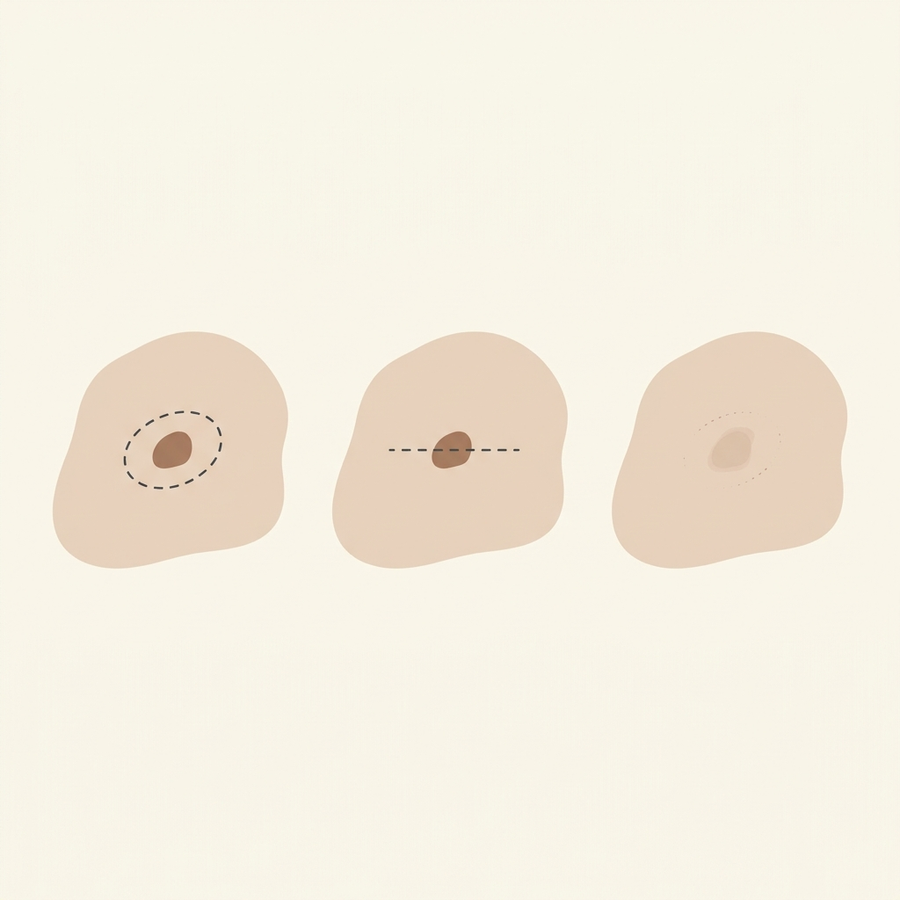
Mr Roshan Vijayan offers several mole removal techniques, including:
Surgical Excision · larger or suspicious moles
This method involves cutting out the mole and stitching the skin back together. It is suitable for larger moles or those suspected of being cancerous.
Shave Excision · raised moles
The mole is shaved off flush with the skin. This technique is ideal for raised moles and leaves minimal scarring.
Laser Removal · small, non-cancerous moles
A laser is used to remove the mole by breaking down the pigment. This method is less invasive and suitable for smaller, non-cancerous moles.
Aftercare
Proper aftercare is crucial for optimal healing and minimising scarring. Mr Roshan Vijayan will provide detailed post-procedure instructions.
Keep the area clean
Keeping the area clean and dry supports healing from the outset.
Use prescribed ointments
Applying prescribed ointments or creams promotes healing.
Avoid sun exposure
Avoiding sun exposure to the treated area protects the healing skin.
Monitor the site
Monitoring the site for any signs of infection or unusual changes, and reporting them promptly.
Risks and Complications
Mole removal is a minor procedure and risks are small, but they are worth understanding before you decide. They may include:
- Infection
- Bleeding
- Scarring, varying with the method and your healing
- Changes in skin pigment at the site
- Incomplete removal requiring a further procedure
- Recurrence of the mole
Your safety is paramount. Consultant-led aftercare, a day-one call and unlimited follow-up mean any concern is seen and addressed by Mr Vijayan personally.
Why Choose Mr Roshan Vijayan?
A mole removal leaves a mark wherever the mole was, so the technique and the closure matter as much as the removal itself. His care is based on:
A thorough assessment before any method is chosen
Three techniques available, matched to the mole
Advanced techniques to minimise scarring
Laboratory analysis where a mole warrants it
A second consultation before treatment, included as standard
Consultant-led follow-up and direct postoperative support


Meet Mr Roshan Vijayan
Mr Roshan Vijayan is a GMC-registered Consultant Plastic Surgeon and Fellow of the Royal College of Surgeons. He trained extensively in plastic, reconstructive and aesthetic surgery across major UK teaching hospitals and continues to contribute to surgical education, academic work and the training of other doctors.
A mole removal is a small procedure with a permanent result, often on a visible part of the face. It is worth having it done by someone whose day job is the scar.
How Much Does Mole Removal Cost?
The cost of mole removal depends on the number of moles, their size and site, and the technique used to remove them.
Every procedure is planned individually. Once Mr Vijayan has assessed you and agreed a treatment plan, you will receive a complete written quotation covering the relevant surgical, hospital and anaesthetic costs.
Your exact, all-inclusive quote is confirmed in writing after your consultation, with no hidden costs.
Your fee includes
- Your consultation with Mr Vijayan
- A second consultation, included
- Surgeon’s and anaesthetist’s fees
- Hospital and theatre fees
- All follow-up and aftercare
- A personal day-one call
Frequently Asked Questions
Is mole removal painful?
The procedure is generally well-tolerated. Local anaesthesia is used to numb the area, ensuring minimal discomfort during the removal.
Will there be a scar after mole removal?
Scarring is possible but varies depending on the removal method and individual healing process. Mr Roshan Vijayan employs advanced techniques to minimise scarring.
How long does it take to heal after mole removal?
Healing time can vary, but most patients can expect the area to heal within 1 to 2 weeks. Following aftercare instructions is essential for a smooth recovery.
Can all moles be removed?
Most moles can be removed, but the suitability of the removal method depends on the mole’s size, location, and characteristics. A consultation with Mr Roshan Vijayan will determine the best approach.

Book Your Mole Removal Consultation
Whether a mole bothers you cosmetically or has changed in a way you would rather have checked, a consultation will settle it. Contact us today to arrange your consultation with Mr Vijayan.
Request a Consultation