
Understanding the timeline for exercise after breast reduction is critical for a successful recovery, especially for returning to high-impact sports. Rushing back to intense physical activity can compromise your results and health. This guide provides a framework for safely reintroducing fitness.
Exercise After Breast Reduction: Safe Return to High-impact Sports
The timeline for exercise after breast reduction is crucial for a safe and effective recovery, particularly when resuming high-impact activities. Patients should typically wait a minimum of six to eight weeks before gradually reintroducing strenuous physical activity. This period allows vital internal and external surgical healing to occur, minimizing risks like wound separation or compromised results. A phased approach, starting with low-impact movements and progressing slowly, is essential for patient safety and long-term aesthetic outcomes. Understanding your body's healing journey and using a supportive sports bra are key steps in this post-surgery fitness protocol.
Mr. Roshan Vijayan, a Consultant Plastic Surgeon, emphasizes a structured return to activity, prioritizing patient safety and optimal surgical results. His expertise guides patients through each recovery phase, ensuring informed decisions for resuming physical fitness after mammoplasty.
To explore your options, contact us to schedule your consultation. You can also reach us via: Request a Callback
Understanding the timeline for exercise after breast reduction is critical for a successful recovery, especially for returning to high-impact sports. Rushing back to intense physical activity can compromise your results and health. This guide, informed by Mr. Roshan Vijayan's principles, provides a framework for safely reintroducing fitness. It outlines healing phases, activity timelines, and steps to protect your surgical outcome while rebuilding strength.
Understanding Your Body's Healing Journey After Breast Reduction
Patients should wait a minimum of six to eight weeks before gradually reintroducing high-impact sports after breast reduction surgery. This period allows external incisions and deeper internal tissues to heal, reducing complication risks and ensuring stable surgical results. Your timeline may vary based on your healing rate and procedure specifics.
The Critical First Weeks: Internal and External Healing
After surgery, your body begins a complex healing process. Externally, incisions close and form scars. Internally, breast tissue settles into its new position, and blood vessels re-establish themselves. Swelling and bruising are normal during inflammation.
During these first weeks, the repositioned tissues are delicate. Excessive movement or strain can disrupt healing. Patience is paramount for a smooth recovery, as detailed in this week-by-week recovery guide.
Why Premature Exercise Poses Risks to Recovery
Strenuous activity too soon elevates heart rate and blood pressure, which increases swelling and stresses healing incisions. This can lead to bleeding, fluid collection, and wound separation. The initial recovery goal is to provide a calm, stable environment for your body to repair itself.
When Can You Safely Reintroduce High-Impact Activities?
Returning to fitness is a gradual process. Start with low-impact movements and slowly increase intensity. Listen to your body and stop if you feel pain or pulling sensations.
Running and Jumping: A Phased Approach to Resumption
High-impact activities like running and jumping create significant force on the breasts, which can strain healing tissues even with a supportive sports bra. Most surgeons advise waiting at least 8 to 12 weeks before jogging. When you start, begin with short intervals on a soft surface, like a treadmill or track, and gradually increase duration and intensity.
Navigating Gym Workouts and Weight Lifting After Mammoplasty
Lower body exercises that do not engage the chest, such as bodyweight squats or light leg presses, can be introduced around 4-6 weeks. Upper body exercises targeting the pectoral muscles, like push-ups or chest presses, must be avoided for 3 months or more to prevent direct strain on the surgical area.
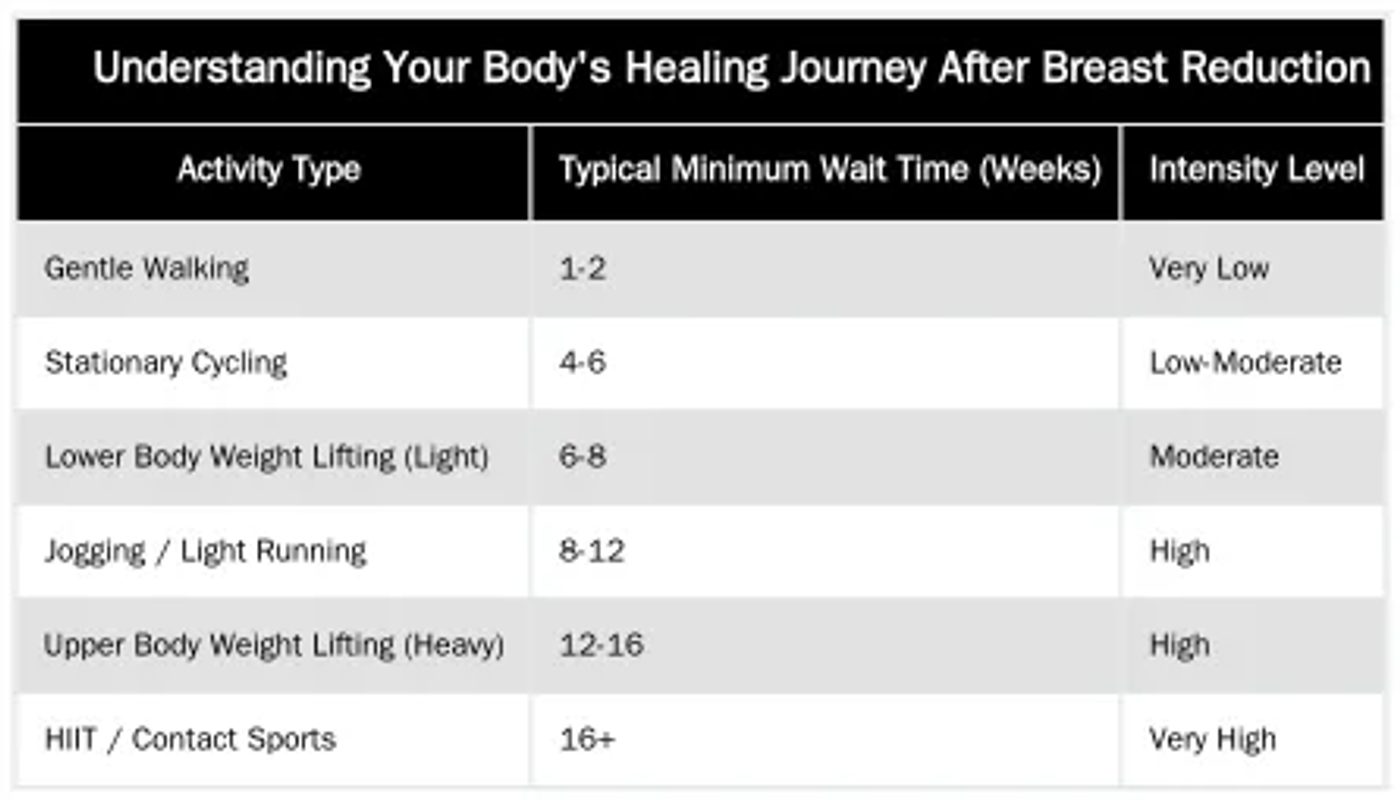
Note: These are general estimates. Always follow your surgeon's specific instructions.
Optimizing Your Return to Sport Protocol: Essential Steps
A successful return to fitness involves more than waiting. Proactive steps, including the right gear and foundational exercises, can make the transition smoother and safer.
Selecting the Right Supportive Sports Bra for Post-Reduction Exercise
Once cleared to wear a sports bra, choosing the right one is crucial. A high-support bra is non-negotiable for exercise. It should minimize breast movement (bounce) to protect healing tissues and reduce discomfort. Look for wide, padded straps, a wide underband, and full coverage. Avoid underwires initially, as they can irritate incision lines.
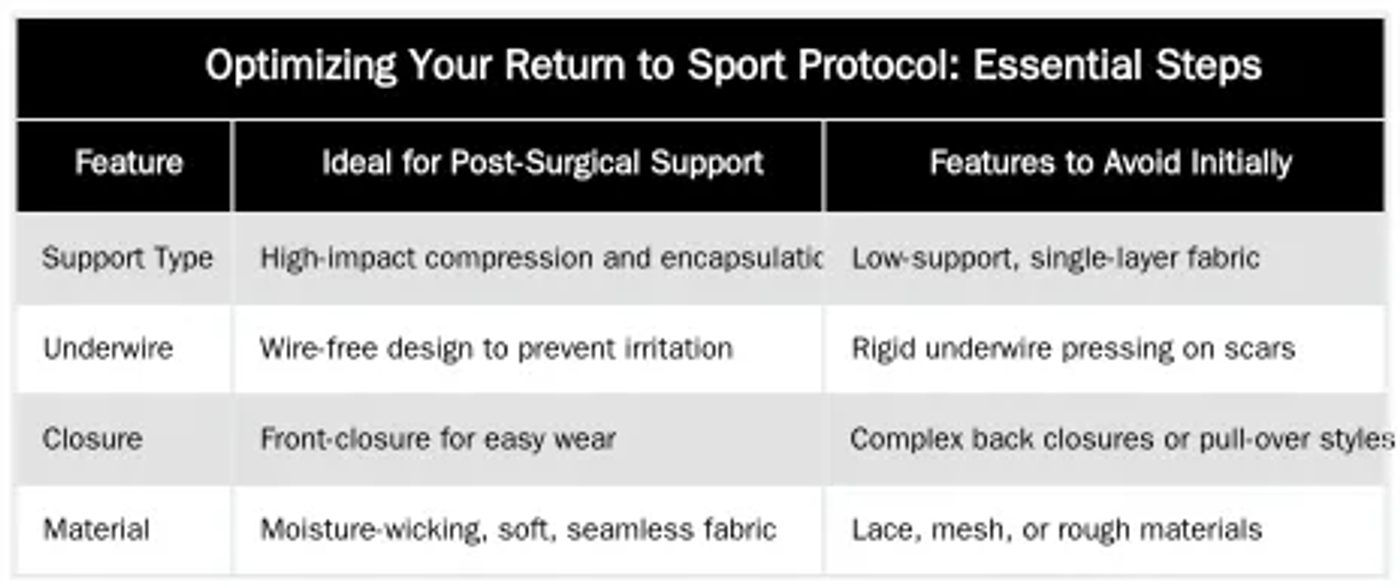
Prioritize comfort and support to protect your surgical results during activity.
Incorporating Core Exercises for Stability and Strength
A strong core provides a stable foundation for movement, reducing strain as you recover. While exercises like crunches or planks should be avoided initially, gentle core activation can begin earlier. Exercises like pelvic tilts, heel slides, and gentle transverse abdominis contractions can be performed without straining the chest. This foundational strength helps you return to dynamic activities with better form and control.
Patient Safety and Long-Term Results: An Expert Perspective
Surgical success extends beyond the operating room. Adhering to a planned recovery protocol is fundamental for safe healing and the desired long-term aesthetic outcome. This is a core principle of Mr. Roshan Vijayan's patient partnership approach.
The Indispensable Role of Your Surgeon's Guidance
Your surgeon provides guidance tailored to you, based on the surgical techniques used, your body's response, and your healing progress. Generic timelines online cannot replace this personalized care. Open communication with your surgical team allows for adjustments to your recovery plan, ensuring you progress safely. For more insight, review these questions to ask your surgeon during your consultation.
Protecting Your Aesthetic Outcome and Surgical Healing
Following post-operative instructions carefully protects your surgical outcome. A cautious return to exercise directly impacts the final appearance of your breasts, allowing scars to mature and become less conspicuous. It also gives internal tissues time to settle and conform to their new shape, ensuring the longevity of your results from breast reduction surgery. Safety guidelines from the British Association of Aesthetic Plastic Surgeons (BAAPS) emphasize a gradual return to normal activities.
Avoiding Complications: What Happens If You Exercise Too Soon?
Understanding the risks of resuming intense activity prematurely reinforces the importance of patience. Overexertion can cause setbacks and complications that may affect your final outcome.
Understanding the Risks of Overexertion Post-Surgery
Pushing your body too hard, too soon can lead to several medical issues. Increased blood pressure can cause delicate blood vessels to break, leading to a hematoma (a collection of blood under the skin). Excessive movement can cause a seroma (a buildup of clear fluid). Both may require medical intervention to drain. The most significant risk is to the incisions. Strain can cause wound dehiscence (incision separation), which can lead to infection and more prominent scarring.
Recognizing Warning Signs and When to Contact Your Surgeon
Be attuned to your body's signals. While some discomfort is normal, certain symptoms warrant an immediate call to your surgeon. As outlined by the American Society of Plastic Surgeons, watch for:
- Sudden, sharp, or significantly increased pain.
- A rapid increase in swelling or bruising in one or both breasts.
- Any opening or separation of your incision lines.
- Signs of infection, such as redness spreading from the incision, warmth, or discharge.
- Fever or feeling generally unwell.
Promptly addressing these signs prevents more serious issues and keeps your recovery on track.
Your Journey to Active Recovery: Next Steps
Returning to an active lifestyle after breast reduction requires care and patience. Respect your body's healing process, follow a gradual timeline, and work with your surgeon to safely achieve your fitness goals while protecting your surgical results. This approach ensures your long-term health and satisfaction.
If you are considering breast reduction or have questions about your recovery, a personalized consultation can provide clarity. Contact us to discuss your goals. For a direct response, please Request a Callback.
Frequently Asked Questions
What is the general timeline for returning to high-impact sports after breast reduction?
As a general rule, patients must wait a minimum of six to eight weeks before gradually reintroducing high-impact sports like running or HIIT. This period is crucial for allowing both internal and external incisions to heal sufficiently, which reduces the risk of complications and protects your surgical results.
Why is it critical to wait before resuming intense exercise after breast reduction?
Resuming high-impact activities too soon can increase swelling, strain your incisions leading to wider scars, and even risk causing internal bleeding (hematoma). The mandatory waiting period protects the surgical outcome of your procedure and ensures a safe return to exercise after breast reduction.
What is the first step when starting to exercise after breast reduction again?
The first step is always light, low-impact activity, such as gentle walking, which is encouraged from the first week to promote healthy circulation. After your surgeon clears you, you can slowly add lower body exercises before reintroducing upper body movements. This gradual approach is the safest way to begin your journey back to regular exercise after breast reduction.
Do I need a special sports bra for high-impact exercise after breast reduction?
Yes, a highly supportive and well-fitting sports bra is non-negotiable once you are cleared to return to strenuous activities. A high-support bra is essential to minimise bounce and protect your results during any high-impact exercise after breast reduction, ensuring comfort and longevity for your outcome.
What warning signs should I watch for when I restart my fitness routine?
When you restart physical activity, pay close attention to any sharp pain, increased or sudden swelling, or a pulling sensation around your incisions. If you experience any of these symptoms, you should stop the activity immediately and rest. It is important to progress slowly and never push through discomfort.
How can I get personalised advice on my recovery and fitness plan?
Every patient's recovery is unique, and your personal timeline for returning to sports will depend on your specific procedure and healing progress. For tailored guidance based on your individual circumstances, it is best to consult directly with a specialist. You can request a callback to schedule a consultation with Mr. Roshan Vijayan.